


Best Time to Visit Morocco, 3 Days Marrakech To Fes Desert Tour & Everything You Need To Know
Introduction: Why Morocco Belongs on Your Travel Bucket List
Morocco is a country that doesn’t just visit you — it transforms you. From the vibrant chaos of Marrakech’s Jemaa el-Fnaa square to the endless silence of the Sahara Desert, every corner of this North African gem tells a story. However, the best time to visit Morocco depends entirely on what you want to experience, whether that’s camel trekking under starlit skies or wandering through ancient Roman ruins. Many travelers rush their planning, only to find themselves melting in summer heat or shivering through unprepared desert nights.
Consequently, this comprehensive guide will answer every question you might have. We will cover the best time to visit Morocco, the famous 3 Days Marrakech To Fes Desert Tour, things to do in Marrakech, a complete Morocco 7 day itinerary, and an in-depth Sahara Desert experience guide. Moreover, we will help families, honeymooners, group travelers, and solo adventurers with specialized advice on Morocco family tours, honeymoon in Morocco, Morocco with kids, group travel Morocco, and deeper cultural topics like Moroccan culture, Berber traditions, Moroccan food guide, festivals in Morocco, and the history of Morocco. Finally, we answer practical concerns: what to wear in Morocco, Morocco travel tips, and the all-important question: is Morocco safe? Let’s begin.
Best Time To Visit Morocco – A Complete Seasonal Breakdown
The best time to visit Morocco is not a single answer but a range of possibilities. For most travelers, spring (March to May) and autumn (September to November) offer the most comfortable weather, with daytime temperatures between 20°C and 28°C (68°F–82°F). These seasons also feature blooming landscapes or harvest festivals, making them ideal for photography and outdoor exploration. Nevertheless, winter (December to February) is the best time to visit Morocco for budget travelers and Sahara enthusiasts, while summer (June to August) works only for coastal or mountain retreats.
In spring, the best time to visit Morocco for hiking emerges as the High Atlas trails open without snow. Meanwhile, autumn brings the best time to visit Morocco for desert trekking, as the Sahara’s daytime heat softens to 25°C (77°F). For families wondering about Morocco with kids, spring and autumn offer gentle temperatures that children handle easily. For couples planning a honeymoon in Morocco, October provides golden light, fewer crowds, and romantic sunsets over the dunes. Ultimately, your choice of season shapes everything else — from packing lists to available Marrakech desert tours and Fes desert tours.
3 Days Marrakech To Fes Desert Tour – A Journey Through Time
The 3 Days Marrakech To Fes Desert Tour is Morocco’s most iconic overland adventure. This journey takes you from the red city of Marrakech across the High Atlas Mountains, through the Valley of Roses, to the Sahara Desert near Merzouga, and finally to the spiritual capital of Fes. On day one, you leave Marrakech early, crossing the Tizi n’Tichka pass at 2,260 meters (7,415 feet). You will visit the UNESCO-listed Ait Ben Haddou ksar, famous from films like Gladiator and Game of Thrones, then overnight in Ouarzazate or Dades Valley.
On day two of the 3 Days Marrakech To Fes Desert Tour, you drive through the Todra Gorge, where 300-meter limestone cliffs tower above you. Then you continue to Merzouga, where your Sahara Desert experience guide truly begins. You swap your vehicle for a camel and trek into the Erg Chebbi dunes for sunset. After a traditional Berber dinner, you sleep in a desert camp under the most incredible stars of your life. On day three, you wake for sunrise, ride back to Merzouga, and drive via the Ziz Valley and Middle Atlas forests to Fes. Therefore, this tour is not just transportation — it’s the highlight of many Morocco trips.
Things To Do In Marrakech – The Red City’s Best Experiences
Things to do in Marrakech could fill a week, but here are the absolute musts. First, lose yourself in the medina, a UNESCO World Heritage labyrinth of 6,000 alleyways. Visit the 12th-century Koutoubia Mosque, then explore the Saadian Tombs and El Badi Palace ruins. The Bahia Palace offers stunning Islamic architecture and peaceful courtyards. Furthermore, the Majorelle Garden, restored by Yves Saint Laurent, bursts with electric blue buildings and exotic plants. For a deeper cultural dive, the Ben Youssef Madrasa, once North Africa’s largest Islamic college, features breathtaking zellij tilework.
In the evening, things to do in Marrakech shift to Jemaa el-Fnaa square. Snake charmers, henna artists, storytellers, and food stalls create an unforgettable carnival atmosphere. Afterward, book Marrakech desert tours as day trips to the Agafay Desert (rock desert with camel rides and quad biking) or the Ourika Valley (waterfalls and Berber markets). For shoppers, the souks sell leather, lamps, rugs, and spices — but always bargain. Finally, relax with a traditional hammam and massage. Indeed, things to do in Marrakech blend history, adrenaline, and relaxation perfectly.
Tour from Marrakech :
2-days Zagora desert tour from Marrakech
3-days Marrakesh to Fes desert tour
3-days Morocco desert tour from Marrakech to Merzouga
6-days desert tour from Marrakech
10-days Morocco grand tour from Marrakech
Morocco 7 Day Itinerary – The Perfect First-Time Route
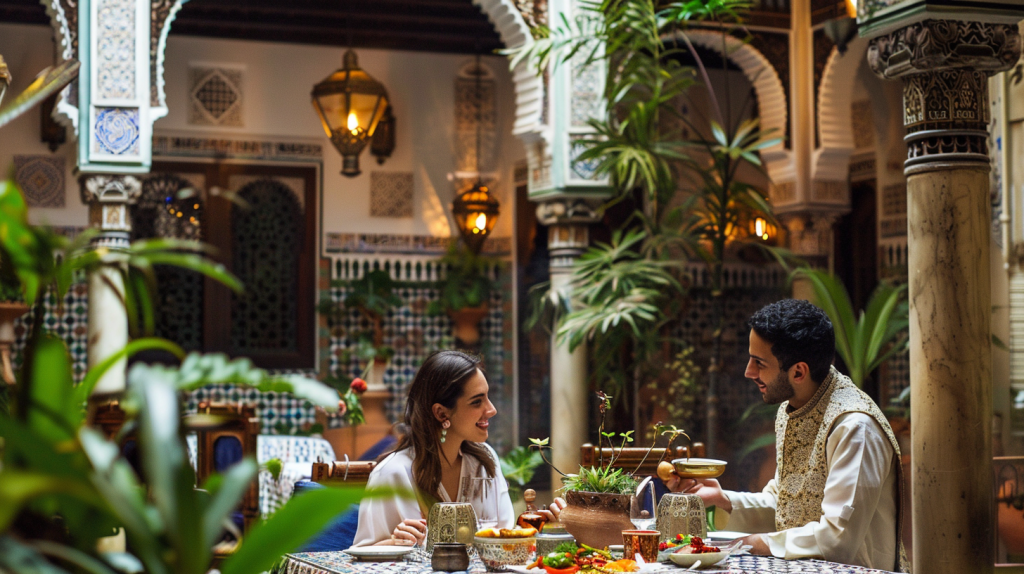
On day six of this Morocco 7 day itinerary, explore Fes’ medina — the world’s largest car-free urban area. Visit the Chouara Tannery, Al Attarine Madrasa, and the Bou Inania Medersa. Day seven: Fly out of Fes or return to Casablanca. Alternatively, if you have more time, add Chefchaouen (the blue city) or Essaouira (the windy coast). For families, a Morocco 7 day itinerary can slow down — skip one city and spend two nights in each location. For a honeymoon in Morocco, add a luxury desert camp instead of a standard one. Thus, this itinerary works as a flexible skeleton for any traveler.
Sahara Desert Experience Guide – From Dunes to Nomad Life
A proper Sahara Desert experience guide begins with choosing between Erg Chebbi (near Merzouga) and Erg Chigaga (near M’Hamid). Erg Chebbi has the tallest dunes (up to 150 meters) and is easier to reach, making it perfect for the 3 Days Marrakech To Fes Desert Tour. Erg Chigaga is more remote, wilder, and ideal for Morocco private tours. Either way, a standard Sahara experience includes a 4×4 or camel ride to camp, sunset viewing, a Berber music circle, a tagine dinner, and overnight in a tent. Some camps offer “luxury” options with private bathrooms, real beds, and electricity.
Furthermore, a complete Sahara Desert experience guide advises on timing. The best time to visit Morocco for the Sahara is October to April, avoiding summer’s dangerous heat and winter’s freezing nights (but cold nights are manageable with layers). Activities beyond camel rides include sandboarding, quad biking, visiting a nomadic family, and stargazing through a telescope. Pro tip: book a camp that includes a sunrise wake-up call — watching the sun paint the dunes in orange and pink is life-changing. Also, pack a scarf for sandstorms, a headlamp for night, and a power bank because many camps have limited charging.
Morocco Family Tours – Creating Unforgettable Memories
Morocco family tours are increasingly popular, and the country welcomes children warmly. Moroccans adore kids — expect strangers to pinch cheeks, offer sweets, and engage in play. That said, successful Morocco family tours require pacing. Avoid summer (too hot) and winter (too cold for desert nights). The best time to visit Morocco for families is spring (March–May) or autumn (September–November). Also, limit driving days; children hate long transfers. A Morocco 7 day itinerary for families might skip the desert’s overnight camel trek (which can frighten young kids) and instead do a day trip to the Agafay Desert near Marrakech.
For Morocco with kids, prioritize activities: camel rides (20 minutes, not 2 hours), donkey rides in the medina, pottery workshops in Fes, and swimming pools at riads. Many riads offer family suites. Moreover, Morocco family tours work wonderfully with a private driver (see Morocco private tours below) because you control the schedule. For older kids (10+), the 3 Days Marrakech To Fes Desert Tour is a grand adventure. For toddlers, stick to Marrakech, Essaouira, and a short desert day trip. Finally, pack familiar snacks, wet wipes, and a small first aid kit — pharmacies are excellent but branded children’s medicine may differ.
Honeymoon In Morocco – Romance in the Red City and Beyond
A honeymoon in Morocco offers something few other destinations can: exotic luxury with easy European access. The best time to visit Morocco for honeymooners is October or April, when weather is perfect and crowds are moderate. Start your honeymoon in Morocco in Marrakech with a stay at a luxury riad like La Mamounia or Royal Mansour. Book a private hammam and massage for two, then dinner in a candlelit riad courtyard. For daytime, take Marrakech desert tours to the Agafay Desert for a champagne picnic at sunset — many companies set up private tents with cushions and lanterns.
After Marrakech, a honeymoon in Morocco naturally includes the Sahara. Upgrade to a luxury desert camp with en-suite bathrooms, king beds, and private dining under the stars. Many camps offer a “Berber wedding” ceremony — henna, traditional music, and a ceremonial scarf. Furthermore, Fes desert tours can connect you to the Middle Atlas, where cedar forests hide wild monkeys — a surprising romantic picnic spot. Alternatively, fly to Essaouira for windsurfing and seafood dinners on the beach. For a truly unique honeymoon in Morocco, add a hot air balloon ride over the Atlas Mountains or a cooking class together. Above all, book everything as Morocco private tours to ensure privacy and flexibility.
Morocco With Kids – Practical Tips for Smooth Travel
Morocco with kids is entirely doable, but it requires preparation. First, choose the right season. The best time to visit Morocco for Morocco with kids is spring (March–May) or autumn (September–November). Summer is too hot for medina walking, and winter desert nights are too cold for young children. Second, adjust your Morocco 7 day itinerary to include pool stops. Many riads have small plunge pools — essential for cooling down after sightseeing. Third, bring a lightweight stroller for medinas? Actually, no — medina alleys are too narrow and uneven. Instead, use a baby carrier (like an Ergobaby) for toddlers and let older kids walk.
When traveling Morocco with kids, food is usually easy. Kids love fresh orange juice, msemen (Moroccan pancakes), bread with honey, and grilled chicken skewers. However, tagines may be too spicy — ask for “non épicé” (not spicy). For is Morocco safe concerns with children: yes, but supervise closely in crowded squares. Locals are protective of kids but also very forward (expect hair ruffling and cheek pinching). Teach your child to say “shukran” (thank you) and “la shukran” (no thank you) for persistent vendors. Finally, Morocco family tours with a private driver remove most stress — no public transport, no lost luggage, and air-conditioned breaks.
Group Travel Morocco – Tours, Logistics, and Savings
Group travel Morocco is both fun and cost-effective. Whether you’re a friend group, a club, or a multi-generational family, group travel Morocco allows you to split costs on private vehicles, guides, and camps. The best time to visit Morocco for groups is the shoulder seasons (February, March, November) when hotels have block-booking availability. A typical group travel Morocco itinerary might include Marrakech (3 days), a 3 Days Marrakech To Fes Desert Tour (3 days), and Fes (2 days). Alternatively, a Morocco 7 day itinerary for groups works well if you skip one city to avoid rushed days.
For group travel Morocco, consider Morocco private tours with a minibus (up to 17 seats) or two 4x4s (up to 6 people each). Private tours cost more per person than public buses but save hours of waiting and navigating. Plus, you control the pace — a group of photographers can linger at sunset, while a group of hikers can start early. For things to do in Marrakech with a group, book a private cooking class (fun and competitive) or a hot air balloon ride (spectacular). For Sahara Desert experience guide with a group, ensure the desert camp can accommodate everyone in adjacent tents. Avoid July and August for group travel Morocco because heat and crowds test even the best friendships.
Moroccan Culture – Beyond the Tourist Surface
Moroccan culture is a stunning mosaic of Arab, Berber, Andalusian, and African influences. Understanding even a little will enrich your trip. First, Berber traditions are the oldest layer. The indigenous Amazigh (Berber) people have lived in Morocco for 4,000+ years, and their influence appears in carpet weaving, silver jewelry, and the tan (indigo) wedding blankets you’ll see in souks. Many Moroccans in rural areas still speak Tamazight (Berber language) alongside Darija (Moroccan Arabic). Second, Moroccan culture emphasizes hospitality (called “l’baraka”). If invited for mint tea, you must accept — and don’t refuse three times.
Furthermore, Moroccan culture includes strong family and religious values. Friday is the holy day (like Sunday in the West), so many shops close after midday prayers. During Ramadan, eating in public before sunset is considered disrespectful (hotels have private dining rooms). Berber traditions also include music like ahidous (group singing and stomping) and the imzad (a one-string violin played by Tuareg women). To experience Moroccan culture deeply, homestays in the Atlas Mountains are better than any hotel. Learn a few phrases: “Salam” (hello), “Shukran” (thank you), “B’saha” (to your health — said after eating or drinking).
Berber Traditions – The Soul of Rural Morocco
Berber traditions deserve their own section because they differ significantly from urban Arab culture. The Berbers (Amazigh) have their own calendar (the agricultural calendar, celebrated at Yennayer in January), their own legal customs (collective village councils called “injufen”), and their own spiritual practices (marabouts — saint tombs — are more common than mosques). When you take a 3 Days Marrakech To Fes Desert Tour, most of the villages you pass are Berber, not Arab. The famous Berber traditions include carpet weaving (each pattern tells a story), argan oil production (hand-cracked by Berber women’s cooperatives), and Amazigh music festivals.
For travelers, Berber traditions appear in everyday interactions. If you visit a Berber home, you’ll be offered “amazigh” (a type of bread) and “smen” (aged fermented butter). In the desert, the nomadic Berber people called “Aït Atta” still move with their goats and camels. Many Sahara Desert experience guide companies offer visits to a nomadic tent — here, you can see how Berber traditions adapt to extreme environments. Women’s Berber traditions include facial tattoos (older women only today) and silver jewelry that doubles as wealth. To respect Berber traditions, always ask before photographing people, dress modestly (shoulders and knees covered), and never touch the Quran shelf in a tent.
Moroccan Food Guide – What to Eat and Where
A Moroccan food guide starts with the holy trinity: tagine, couscous, and mint tea. Tagine is a slow-cooked stew named after the conical clay pot it cooks in — try lamb with prunes, chicken with preserved lemon, or kefta (meatballs) with egg. Couscous is traditionally served on Fridays (the holy day) with vegetables and meat. Mint tea (“atay” in Darija) is more than a drink — it’s a ritual of hospitality. Pouring from height creates foam, and refusing tea is rude. Other must-tries: pastilla (a sweet-savory pigeon or chicken pie wrapped in phyllo), harira (tomato-lentil soup, especially during Ramadan), and bissara (dried fava bean soup for breakfast).
For street food, a Moroccan food guide would highlight msemen (flaky folded pancakes), sfenj (doughnuts), and brochettes (grilled meat skewers). In Marrakech’s Jemaa el-Fnaa, evening food stalls sell everything from snail soup to sheep’s head (go with an open mind and a strong stomach). For healthier options, look for “restaurant pas de menu touristique” signs — these are local lunch spots. Moroccan food guide also covers dietary needs: vegetarians can eat lentil soup, vegetable tagine, and zaalouk (eggplant dip). Vegans will struggle outside big cities (couscous often has butter, tagines may have meat stock). Always carry snacks from a supermarket (Casablanca, Marjane, or Carrefour). Finally, food safety: avoid tap water, unpeeled fruits, and salads in remote areas. But don’t fear — street food cooked fresh in front of you is generally fine.
Festivals In Morocco – Celebrate With Locals
Festivals in Morocco are colorful, loud, and deeply cultural. The best time to visit Morocco for festivals is spring and autumn. The Rose Festival in El Kelaa M’Gouna (early May) celebrates the rose harvest with parades, rosewater markets, and a crowning of “Miss Rose.” The Fez Festival of World Sacred Music (June) brings spiritual music from around the globe to Morocco’s cultural capital — book accommodations a year ahead. The Imilchil Marriage Festival (September) in the High Atlas sees thousands of Berbers gather for collective weddings, dances, and markets. Many festivals in Morocco are free to attend, though you may pay for special concerts.
Other festivals in Morocco include the Tan Tan Moussem (every September or October, celebrating Sahrawi culture with camel races) and the Essaouira Gnaoua World Music Festival (June, mixing African, Berber, and jazz). For film lovers, the Marrakech International Film Festival (late November to early December) attracts Hollywood stars. For religious festivals in Morocco, Ramadan moves yearly — the atmosphere is magical (night feasts, drummers at dawn) but services slow down. Eid al-Adha (Feast of Sacrifice) sees sheep slaughtered on streets — not for sensitive travelers. Eid al-Fitr ends Ramadan with three days of feasting. Check lunar calendar dates before planning. Pro tip: during major festivals in Morocco, hotels fill up months in advance, but the energy is unbeatable.
History Of Morocco – From Ancient Rome to the Alaouites
The history of Morocco stretches back 300,000 years to early hominids. But the recorded history of Morocco begins with the Phoenicians (12th century BCE), who founded trading posts at Lixus, Chellah, and Mogador (Essaouira). Later, the Romans controlled northern Morocco from Volubilis — remarkably well-preserved mosaics remain. After Rome fell, Arab armies arrived in 681 CE, bringing Islam. The Idrisid dynasty (788 CE) founded Fes, Morocco’s first Islamic city. Then came the Almoravids and Almohads, who built Marrakech’s Koutoubia Mosque and spread empire from Spain to Senegal.
The history of Morocco then saw the Merinids (14th–15th centuries) build madrasas and the Saadians (16th century) defeat the Portuguese at the Battle of the Three Kings. The current Alaouite dynasty has ruled since 1631 — yes, the same family as today’s King Mohammed VI. In the 19th and 20th centuries, European colonization almost consumed Morocco, but France and Spain made it a protectorate (1912–1956) rather than a colony. Independence came in 1956. Today, the history of Morocco lives in its UNESCO sites, unmarked Roman ruins, and the stories your guide tells. For history lovers, the best time to visit Morocco is autumn (cool enough for all-day site walking) or spring.
Marrakech Desert Tours – Day Trips Beyond the City
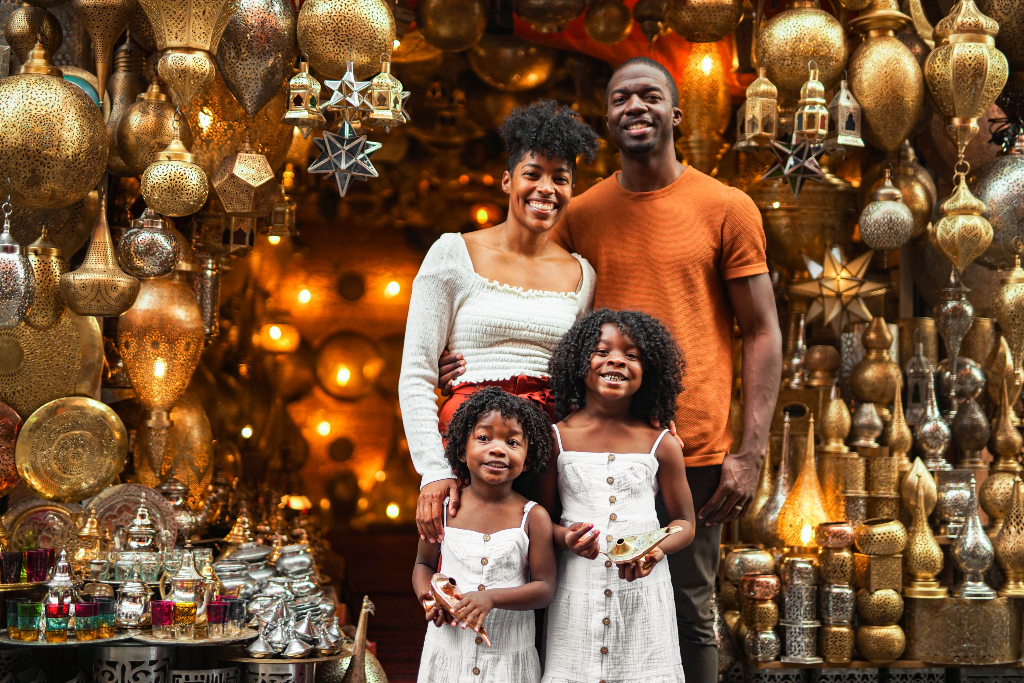
Marrakech desert tours are often misunderstood — the Sahara is a 9-hour drive from Marrakech, so day trips cannot reach the golden dunes. However, Marrakech desert tours to the Agafay Desert are excellent substitutes. Agafay is a rocky, moon-like landscape only 45 minutes from Marrakech. Here, you can ride a camel, drive a quad bike, or take a hot air balloon. Many Marrakech desert tours include dinner in a Berber tent with live music — perfect for families, groups, or a honeymoon in Morocco sunset picnic. Agafay lacks tall dunes but has spectacular views of the High Atlas.
For travelers who insist on the Sahara despite time limits, longer Marrakech desert tours run 2 or 3 days. A 2-day tour reaches Zagora (smaller dunes, closer to Marrakech) but involves 14 hours of driving for 2 hours of desert. Most guides recommend the 3 Days Marrakech To Fes Desert Tour instead, as it covers more without backtracking. Alternatively, fly from Marrakech to Ouarzazate and join a Fes desert tours group. For private trips, Morocco private tours can customize Marrakech desert tours to your pace. No matter what, avoid summer for any Marrakech desert tours — heat exhaustion is real. The best time to visit Morocco for these trips is October–April.
Fes Desert Tours – Launching from the Spiritual Capital
Fes desert tours are less famous than Marrakech-based trips but equally rewarding. Fes sits closer to the Middle Atlas mountains, so Fes desert tours often include cedar forests, wild monkeys, and Ifrane (“Moroccan Switzerland”). A typical 2-day Fes desert tour goes to Merzouga (Erg Chebbi) — 7 hours driving each way — with an overnight desert camp. A 3-day option adds a night in the Dades Valley. The biggest advantage of Fes desert tours is avoiding Marrakech’s heavy tourist traffic. You’ll see the same Sahara dunes but with fewer vendors yelling at you.
For travelers on a Morocco 7 day itinerary that ends in Fes, Fes desert tours are a perfect finale. You can also combine Fes desert tours with a trip to Meknes and Volubilis (Roman ruins). Many Fes desert tours are actually private or small-group — check that your camp is in Erg Chebbi, not smaller and less impressive dunes near Rissani. The best time to visit Morocco for Fes desert tours is same as the Sahara: October–April. Winter nights are cold, but camps provide heavy blankets. Spring brings potential sandstorms (the “chergui” wind). Therefore, pack goggles and a scarf regardless. Finally, never book a Fes desert tour from a non-recommended street vendor — use your riad’s trusted contact.
Day Trips From Marrakech – Mountains, Waterfalls, and Beaches
Day trips from Marrakech offer incredible variety. Within 1–2 hours, you can be in the Atlas Mountains, coastal Essaouira, or the Ouzoud Waterfalls. The most popular day trips from Marrakech are to the Ourika Valley (one hour) — a lush river valley with seven waterfalls, Berber markets, and hiking. Wear sturdy shoes and avoid weekends when Moroccans crowd the area. Another top choice is the Imlil Valley (90 minutes), base camp for Mount Toubkal treks. Here, you can have lunch in a Berber home and mule trek to a waterfall. For ocean lovers, day trips from Marrakech to Essaouira take 2.5 hours each way — worth it for the medina, ramparts, and fresh grilled sardines.
For nature lovers, Ouzoud Waterfalls (2.5 hours) are Morocco’s highest (110 meters). You can swim at the base, ride a boat, and see barbary apes. For history buffs, day trips from Marrakech to the Ouarzazate region are possible but very long (8 hours round trip for Ait Ben Haddou). That’s better combined into the 3 Days Marrakech To Fes Desert Tour. For a quick escape, Casablanca’s Hassan II Mosque is impressive but a 2.5-hour drive from Marrakech — that’s a very long day. Use Morocco private tours for day trips from Marrakech to avoid group bus schedules. The best time to visit Morocco for day trips is any season except summer, when mountains are pleasant but driving under mid-day sun is exhausting.
Morocco Private Tours – Custom Luxury and Flexibility
Morocco private tours are the gold standard for travelers who value time, comfort, and unique experiences. Unlike group tours, Morocco private tours give you a dedicated driver (often a certified guide) and a private vehicle (from small sedan to 17-seat minibus). You set the pace — linger at a pottery cooperative, skip a monument you don’t love, or add an unplanned stop.
A typical Morocco private tours itinerary might follow the Morocco 7 day itinerary above, but customized. Want to add a 3 Days Marrakech To Fes Desert Tour but end in Casablanca instead of Fes? Done. Want day trips from Marrakech to two valleys in one day? Possible. The cost: expect €120–250 per day for a car+driver (excluding fuel, accommodations, and driver’s nightly stay). That sounds expensive, but split among 4 people, it’s €30–60 per person per day — cheaper than multiple guided day tours. Use Morocco private tours for the Sahara to ensure your camp is genuine (many group tours use fake camps). The best time to visit Morocco for private tours is shoulder season, when drivers are less booked and can offer discounts.
What To Wear In Morocco – Respectful, Comfortable & Practical
What to wear in Morocco depends on season and location, but a few rules apply everywhere. First, modesty is appreciated even if not strictly enforced. For women, what to wear in Morocco includes tops that cover shoulders and cleavage, skirts or pants below the knee, and a scarf to carry for mosque visits. In tourist zones like Marrakech’s medina, you’ll see bare legs, but expect more attention (not harassment, but stares and comments). For men, what to wear in Morocco means no sleeveless shirts in rural areas, and knee-length shorts are fine but not in mosques.
Second, the best time to visit Morocco affects what to wear in Morocco dramatically. Summer (inland): loose, light-colored linen or cotton, wide hat, sunglasses, and a scarf for dust. Winter (inland): layers (thermal base, sweater, jacket) — it may be 20°C (68°F) at noon but 5°C (41°F) at night. For the Sahara: closed shoes for camel rides (sandals slip), long pants (camel saddle burn), and warm layers for winter nights. For cities: comfortable walking shoes — cobblestones kill flimsy sandals. Finally, avoid expensive jewelry or obvious brand labels (target for pickpockets). What to wear in Morocco ultimately balances cultural respect, weather readiness, and photography goals.
Morocco Travel Tips – 20 Insider Secrets for a Smooth Trip
Morocco travel tips can save you money, time, and frustration. First, download offline Google Maps and Maps.me — medina alleys lack signage. Second, always negotiate prices before accepting a taxi, guide, or product. Third, use “no thank you” (“la shukran”) firmly but politely with persistent vendors. Fourth, carry small coins and notes (20-50 MAD) for public toilets (2–5 MAD), tips, and small purchases — vendors rarely have change for 200 MAD. Fifth, avoid eating salads or raw vegetables from street stalls (tap water washing). Sixth, learn Darija basics: “Shukran” (thank you), “B’saha” (enjoy your meal), “Salam” (hello). Seventh, book desert camps directly through your riad or trusted Morocco private tours — not random online brokers.
Eighth Morocco travel tip: the best time to visit Morocco for avoiding crowds is January and February (except Christmas). Ninth, use trains for long distances (Casablanca–Marrakech–Fes) — they’re clean, cheap, and on time. Tenth, avoid hiring unofficial guides outside medina gates (they overcharge). Eleventh, for what to wear in Morocco in winter, pack a down jacket — desert nights are freezing. Twelfth, buy a local SIM card (Maroc Telecom or Orange) at the airport for 50 MAD with 5GB data. Thirteenth, always ask “Is this the final price?” before agreeing. Fourteenth, trust your gut — if a street feels dangerous, cross to a busier street (most of Morocco is very safe). Fifteenth, carry toilet paper and hand sanitizer everywhere.
Sixteenth, Morocco travel tips for photography: ask before photographing people, never photograph military or police sites, and sunrise/sunset are the best light. Seventeenth, tipping is expected — 20–30 MAD for porters, 30–50 MAD for guides, 10% in nicer restaurants. Eighteenth, bring earplugs — cities have dawn calls to prayer and roosters. Nineteenth, learn that “C’est fini?” means “Is it finished?” – a polite negotiation tactic. Twentieth, and most importantly, relax and embrace the chaos — Morocco works on its own time, and your flexibility will be rewarded.
Is Morocco Safe? – An Honest, Reality-Based Answer
Is Morocco safe for tourists? The short answer: yes, with normal precautions. Morocco’s government relies heavily on tourism, so security in major cities, medinas, and attractions is robust. Violent crime against tourists is extremely rare. You are far more likely to encounter scams (overcharging, fake guides, “spice shops” with inflated prices) than any danger. However, is Morocco safe at night? In tourist zones like Marrakech’s Jemaa el-Fnaa or Fes’s Blue Gate, yes — but deserted alleys after midnight are not recommended anywhere in the world. Solo female travelers: is Morocco safe for you? Thousands visit yearly without issues, but dress modestly, avoid eye contact with catcalls, and Morocco private tours reduce hassles drastically.
Specifically, is Morocco safe for Morocco family tours? Very safe — children are respected. Is Morocco safe for group travel Morocco? Extremely safe, as groups deter petty crime. Is Morocco safe near the Sahara? Yes — desert camps are far from any conflict zones (the nearest trouble is in Algeria’s borders, 200+ km away). The biggest risks are road accidents (drivers can be aggressive) and pickpocketing in crowded medinas. Use cross-body bags, keep passports in hotel safes, and buy travel insurance. For what to wear in Morocco regarding safety: nothing flashy. Finally, trust your embassy’s travel advisory — most say “exercise normal precautions.” So, is Morocco safe? Yes — but not naive.
Morocco Travel Tips – Packing, Money & Health
Final Morocco travel tips cover logistics. Currency: Moroccan Dirham (MAD) is a closed currency — you cannot buy it outside Morocco. Use ATM upon arrival (avoid airport exchange desks; poor rates). Credit cards work in upscale hotels and restaurants, but medinas and taxis need cash. How much cash per day? Budget travelers: 200–300 MAD ($20–30); mid-range: 500–800 MAD ($50–80); luxury: 1,000+ MAD ($100+). Bargain for everything except small shops, food stalls, and public transport. Tipping: 10% in restaurants with service, 20–30 MAD for porters, 50 MAD for half-day guide.
Health Morocco travel tips: travel insurance is non-negotiable (covers evacuation from desert). Drink only bottled or filtered water (avoid ice in street stalls). Pack imodium, rehydration salts, and hand sanitizer. If you get food poisoning, it’s usually mild and passes in 24 hours. For prescription meds, bring enough for your trip and a doctor’s note (controlled substances like stimulants are banned). The best time to visit Morocco for health is spring and autumn — summer heat causes exhaustion, winter cold causes respiratory issues. Finally, Moroccan pharmacies are excellent; look for the green plus sign. For serious issues, American Hospital of Casablanca or private clinics in Marrakech/Fes handle tourists daily. Is Morocco safe medically? For minor issues, yes — for serious, head to a major city.
Sample Morocco 7 Day Itinerary With All Keywords Integrated
To tie everything together, here is a Morocco 7 day itinerary using every major keyword. Day 1: Arrive Marrakech. Explore things to do in Marrakech: Bahia Palace, Majorelle Garden. Sleep in riad. Day 2: Day trips from Marrakech to Ourika Valley. What to wear in Morocco for hiking: sturdy shoes, long pants. Moroccan food guide: lunch of pastilla. Day 7: Fly out. For families, add Morocco family tours with slower pace. For couples, this honeymoon in Morocco itinerary works perfectly from October to April (best time to visit Morocco).
Throughout this Morocco 7 day itinerary, you’ll encounter Berber traditions (in desert camp), Moroccan culture (in Fes tanneries), and festivals in Morocco if timed right. And you’ll leave with photos and memories that last a lifetime.
Conclusion: Your Perfect Morocco Trip Begins Now
Morocco is not a destination you simply visit — it’s a destination you experience. Whether you chase the best time to visit Morocco for perfect weather, book a 3 Days Marrakech To Fes Desert Tour for adventure, or focus on things to do in Marrakech for
