
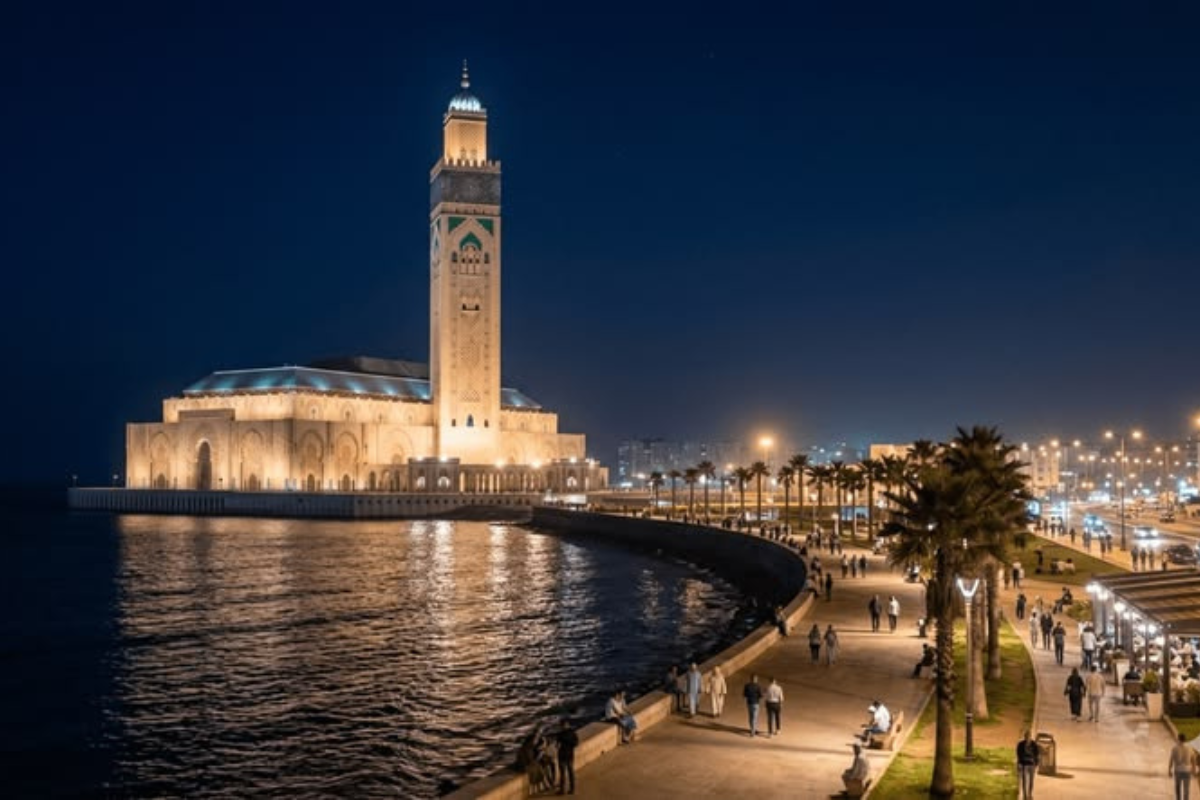

Casablanca, Morocco: The City That Surprises Every Traveler Who Stays Long Enough
Casablanca has a reputation it does not entirely deserve. Ask most travelers what they know about it before visiting, and they will mention the airport, the Hassan II Mosque, and the Humphrey Bogart film. Ask them after a day or two in the city, and the conversation changes completely. Casablanca is not the Morocco of medina fantasy or desert romance — it is something more complex and more interesting than that. It is modern Morocco in motion: ambitious, cosmopolitan, layered with colonial history, and very much alive in ways that the more famous imperial cities are not.
This Casablanca Travel Guide is written for travelers who are building a Trip To Morocco that includes Casablanca as more than a transit point. It covers what the city genuinely offers, how to structure your time here, and how Casablanca connects to the broader arc of a well-designed Morocco Trip. If you want to organize your Casablanca chapter within a larger itinerary, the most efficient approach is through Tours From Casablanca, which connect the city’s highlights to onward destinations without the daily planning friction that independent travel in Morocco can produce.
Why Casablanca is misunderstood (and why that works in your favor)
The reason Casablanca surprises travelers is that most people arrive with the wrong frame of reference. They are expecting Marrakech-style intensity or Fes-style medina depth, and Casablanca delivers neither. What it delivers instead is a city that feels genuinely inhabited by people living modern lives: well-dressed professionals in Art Deco buildings, families walking the Corniche in the evening, cafés that are busy at eight in the morning because people are actually on their way to work rather than performing café culture for tourists.
This ordinariness is Casablanca’s strength, and it is also why visiting the city before or after more touristic stops creates such useful contrast. When you understand what modern Moroccan urban life actually looks like — its ambitions, its architecture, its social rhythms — the medinas and kasbahs of the imperial cities become even more interesting because you have the contemporary context to read them against. This is one of the most underappreciated reasons to include Casablanca in a Morocco Itineraries plan rather than simply using it as an airport city.
The Hassan II Mosque: Morocco’s most architecturally ambitious building
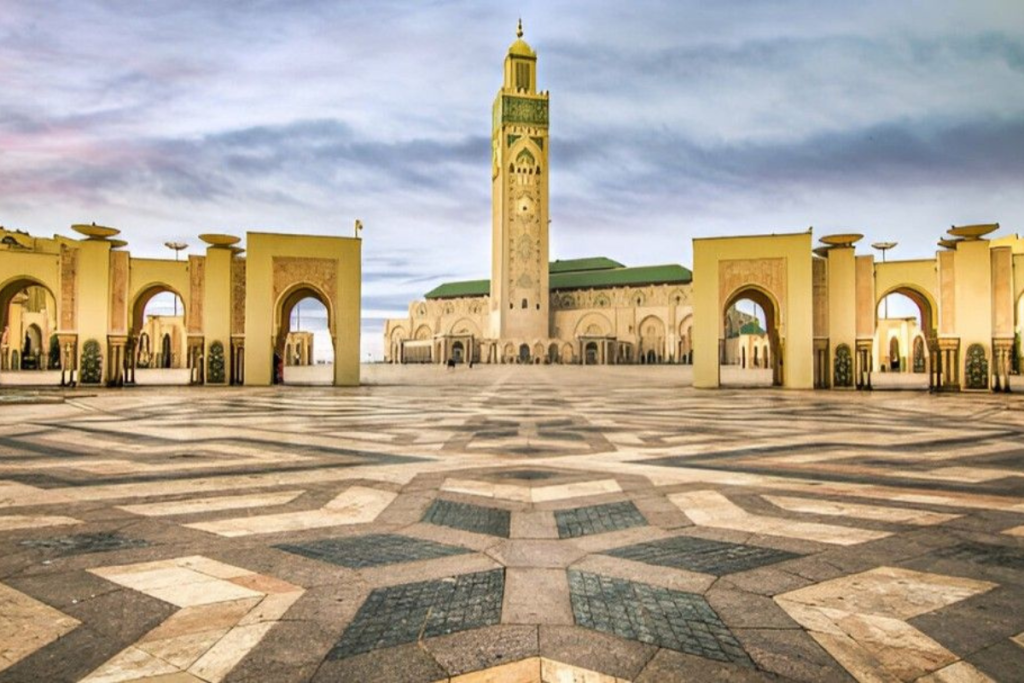
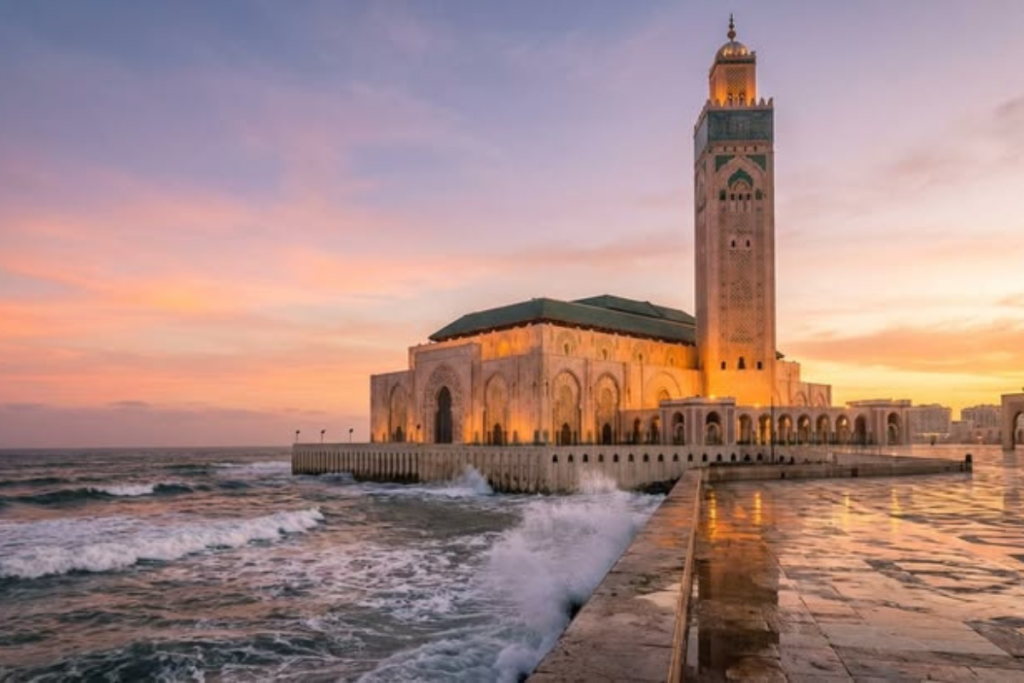
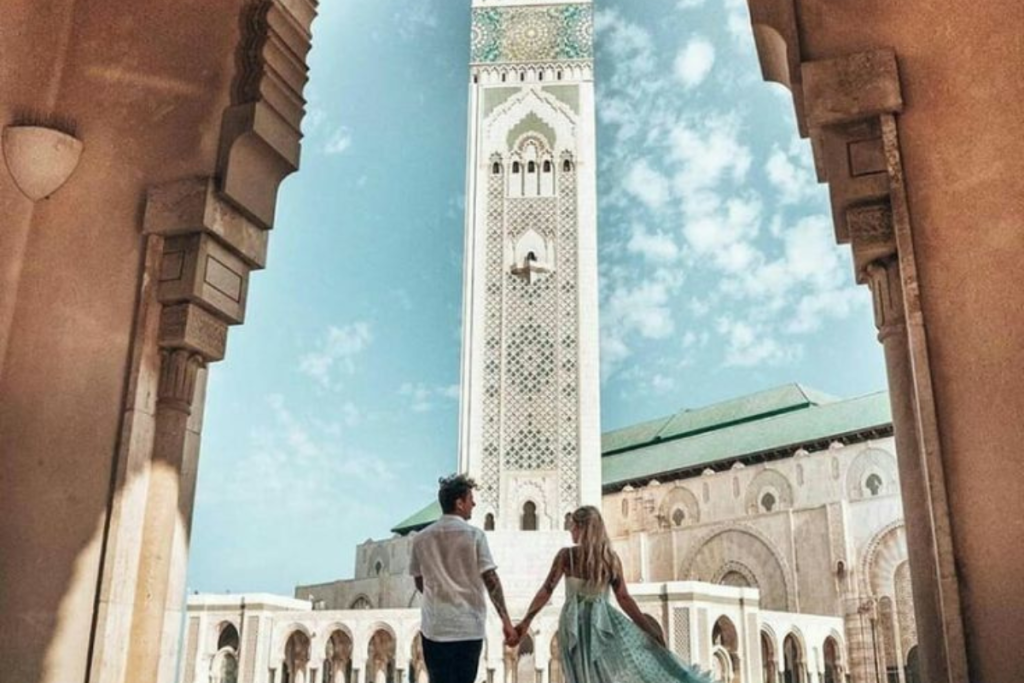
Almost every Casablanca Travel Guide begins here, and for good reason. The Hassan II Mosque is extraordinary by any standard: partially built over the Atlantic Ocean, with a minaret that rises over two hundred meters and can be seen from across the city, it represents the most ambitious piece of religious architecture built in Morocco in the modern era. Over ten thousand craftsmen worked on its construction, using traditional Moroccan techniques at a scale that had not been attempted for centuries.
What makes the mosque genuinely worth the visit — rather than simply worth the Instagram post — is the interior.
The Ville Nouvelle and Art Deco heritage: the architecture most travelers miss
Casablanca contains one of the largest concentrations of Art Deco architecture outside of Miami and Buenos Aires, and almost no travelers seek it out intentionally. The French Protectorate-era urban development plan, implemented from the early twentieth century, created a coherent city of wide boulevards, formal public spaces, and elegantly decorated residential and commercial buildings that blend European modernist design with traditional Moroccan motifs in ways that are historically unique.
Walking through the Ville Nouvelle with any attention to the buildings above street level reveals a city that was designed with genuine aesthetic ambition. The facades incorporate muqarnas details, zellige patterns, and Arabic calligraphic elements alongside Art Deco geometry in combinations that do not appear anywhere else in the world. A dedicated architectural walk — ideally with a guide who understands the historical context — is one of the most intellectually rewarding things you can do in Casablanca and consistently produces strong reactions from travelers who arrived expecting nothing from the city’s built environment.
The Old Medina: smaller, calmer, and more local than you expect
Casablanca’s Old Medina is not comparable in scale or complexity to the medinas of Fes or Marrakech, and that is precisely what makes it worth visiting. It is a neighborhood-sized historic quarter that functions primarily for its residents rather than for tourism, which means the atmosphere is genuine, the prices in the market stalls are local, and the sales pressure that characterizes the more tourist-facing medinas is largely absent.
The Old Medina works well as a half-morning experience: a walk through the main lanes, a look at the Clock Tower and the old gate architecture, a stop at one of the small cafés for coffee and fresh bread, and a browse through the everyday market goods that line the streets. It is not a destination that demands hours of your time, but it adds a layer of historic texture to Casablanca that prevents the city from feeling purely modern, and it connects the contemporary metropolis to its pre-colonial identity in a way that is easy to appreciate even on a short visit.
The Habous Quarter: where colonial urbanism and Moroccan tradition found a compromise
Built in the 1930s as a planned residential area for Moroccan inhabitants who were being displaced by the expansion of the French colonial city, the Habous Quarter (also called the Nouvelle Medina) is a fascinating piece of urban history. Its designers were attempting to create a “Moroccan-feeling” neighborhood using modern planning principles, which resulted in streets that are wider than a traditional medina but organized around the same courtyard-and-lane logic, with buildings that use traditional Moroccan decorative elements on more regular and European-influenced structures.
The result is a neighborhood that feels like a thoughtful compromise between two urban traditions, and it is one of Casablanca’s most pleasant areas for a slow afternoon walk.
The Corniche and coastal Casablanca: the city’s most lived-in public space
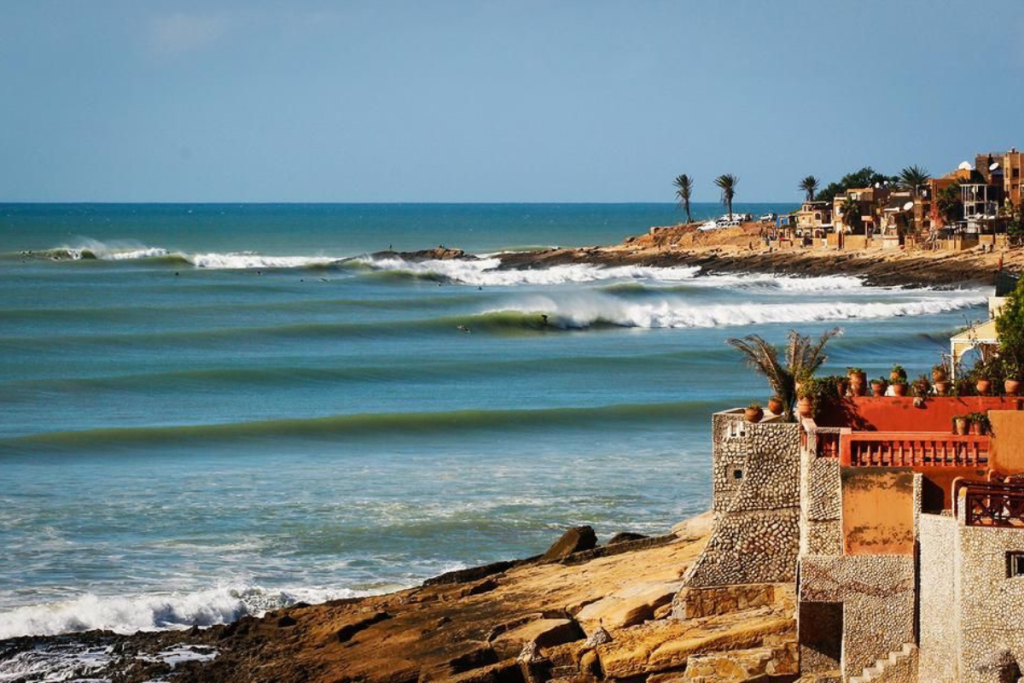
The Corniche is where Casablanca shows you its leisure culture most clearly. The long seafront promenade stretches along the Atlantic coast and connects the mosque area to the beach neighborhoods of Ain Diab, passing restaurants, cafés, beach clubs, and parks along the way. In the evening, particularly on weekends, the Corniche fills with Casablancans doing exactly what urban populations everywhere do when they have good public space: walking, talking, eating, and watching the light change over the water.
This is one of the most effortlessly enjoyable parts of a Casablanca visit, and it requires nothing from you except time and comfortable shoes. The view of the Hassan II Mosque from the Corniche at dusk — the minaret lit against a darkening sky, the Atlantic waves below — is one of the most genuinely beautiful visual experiences in the city and worth planning your day around.
Where to eat in Casablanca: the city that takes food seriously
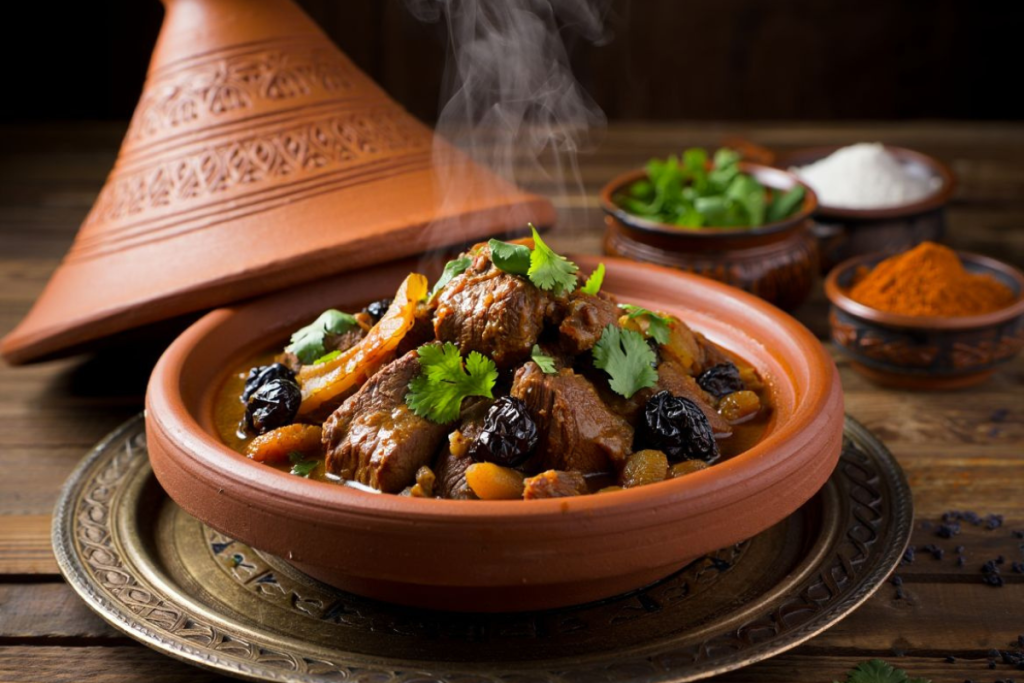
For a sit-down meal, the areas around Mohammed V Square and the streets south of the Habous tend to produce better food at better prices than the more tourist-facing restaurants near the mosque or the Corniche. Casablanca’s seafood is particularly worth seeking out: the city’s proximity to Atlantic fishing grounds means that the fish here is genuinely fresh in a way that landlocked cities cannot replicate, and a simple grilled fish lunch at a local market restaurant is often the meal travelers remember most.
How Casablanca fits into a Morocco itinerary
Casablanca’s strongest role in a Morocco itinerary is as a beginning or an end, and it performs both functions well. As a beginning, it gives travelers a modern, logistically smooth entry into Morocco that reduces the culture-shock intensity of arriving directly into a medina city. You land, you settle, you understand the country’s scale and modernity, and then you move into the more complex and demanding experiences of Fes, Marrakech, or the desert with more context and more confidence.
As an ending, Casablanca provides a clean and comfortable final chapter before departure: a city where airport logistics are simple, where good restaurants are plentiful, and where you can reflect on the trip in a relaxed urban environment without the intensity of a medina demanding your attention. Either way, the city earns its place rather than simply serving as an unavoidable transit point.
For travelers building a multi-city route, connecting from Casablanca into the north through Tangier Morocco Tours creates an excellent northern circuit. Connecting south into Tours From Marrakech covers the most visited southern route. And for travelers who want the imperial cities in sequence, combining Casablanca with Tours From Fez and Marrakech within a single structured itinerary produces one of the most coherent Morocco route formats available.
Connecting Casablanca to the desert and beyond
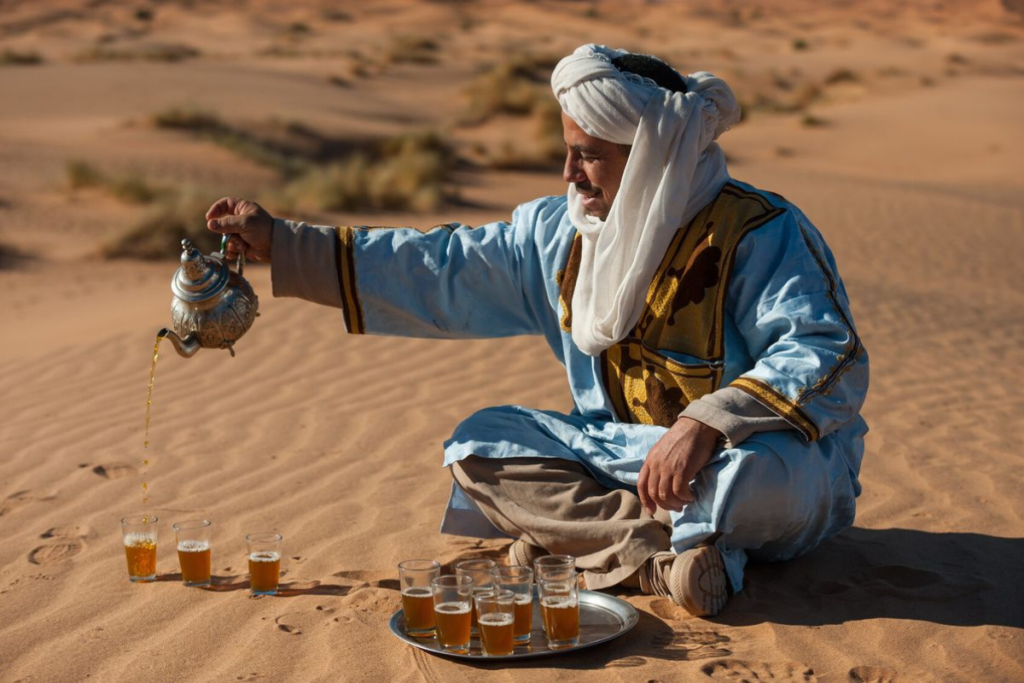
While Casablanca is not a traditional desert departure city, it connects efficiently to routes that eventually reach the Sahara. A Casablanca To Desert Itinerary typically moves through Marrakech or Fes first, using Casablanca as the starting logistics hub before the route turns south toward kasbahs, valleys, and dunes. This format works especially well for travelers arriving on international flights who want to start their trip with a smooth, organized first day before the more intense city and landscape experiences begin.
For travelers with enough time, building the full arc from Casablanca through the imperial cities, into the desert, and back through the Atlas gives you what many experienced Morocco travelers describe as the complete version of the country. This kind of comprehensive route is where Morocco Travel Packages add their clearest value: the connections between cities, the desert camp coordination, and the timing of arrival at key stops are all handled professionally, which protects your energy for the experiences themselves.
Specific itinerary formats that include Casablanca as a starting point include a 7 Days Morocco Itinerary that covers the main imperial city highlights, a 10 Days Morocco Itinerary that adds a desert chapter, and a 12 Days Morocco Tour that includes both mountains and desert alongside the city stops.
Practical tips for getting Casablanca right
The city’s tram system is reliable, affordable, and covers many of the main tourist areas including the Hassan II Mosque stop. It is worth using for longer distances rather than negotiating taxis for every journey. When you do use taxis, the small red petit taxis within the city are metered and should be used with the meter running. Grand taxis for longer distances should have the price agreed in advance.
However, dressing modestly near the mosque and in the Old Medina is still respectful and practically wise. The city’s café culture is genuine and worth participating in: a coffee and a pastry in a local café in the morning is one of the simplest and most pleasant ways to feel the city’s daily rhythm rather than simply observing it.
Finally, give Casablanca more than a single day if your schedule allows. One day produces a surface impression. Two days begins to produce genuine understanding, and the city rewards that investment with a version of Morocco that most travelers never access because they are too busy rushing to the places they already expected to love.
Tours From Casablanca:
5 Day Morocco Sahara Tour from Casablanca
6 Days in Morocco Itinerary From Casablanca
7 Days Tour from Casablanca In Morocco
8 Days Tour From Casablanca
9 Days Trip From Casablanca
10 Days Morocco Tour from Casablanca
12 Day Morocco Tour From Casablanca
13 Days Around Morocco Tour from Casablanca
14 Days Grand Morocco Tour Itinerary From Casablanca
Conclusion: Casablanca is the Morocco chapter that changes how you see the rest
Every city in Morocco teaches you something different about the country. Fes teaches depth and complexity. Marrakech teaches sensory intensity and commercial energy. The desert teaches scale and silence. Casablanca teaches something that none of the others can: what Morocco aspires to be in the present tense, not only what it has been in the past. That is a genuinely valuable perspective, and it changes how you experience everything else on your itinerary.
Include Casablanca properly in your Trips To Morocco plan, structure your time through Tours From Casablanca Morocco, and use it as the anchor it deserves to be rather than the airport city it is usually treated as. The city will reward you for it, and your understanding of Morocco will be richer for having spent real time here.
