


10 Days Morocco Itinerary From Tangier: The Perfect 10‑Day Route Through Morocco
Planning a 10 Days Morocco Itinerary From Tangier is one of the best ways to experience the country’s diversity — and it’s one of our most popular Morocco tour packages. Because you begin in the north and travel steadily south, you experience a natural progression from the Mediterranean coast to the Rif Mountains, then into the imperial cities, onward to the Sahara, and finally across the High Atlas into Marrakech.
At the same time, this itinerary is also a practical blueprint for travelers comparing Trip To Morocco Tours and professional planning support such as Morocco Tours Services. If you prefer a turnkey experience, this route can be arranged as Morocco Private Tours, upgraded as Luxury Morocco Tours, or packaged as Morocco Holiday Packages and Morocco Tour Packages through a trusted travel agency Morocco—especially useful for the desert and valley segments where logistics matter most.
Why this 10‑day Morocco route works so well (Tangier → Marrakech)
This Morocco itinerary is designed for first-time visitors who want more than a single city break. Instead of staying only in major hubs, you’ll combine classic highlights with the landscapes between them, including mountain viewpoints, cedar forests, palm valleys, gorges, kasbah routes, and desert dunes.
Additionally, the route is point‑to‑point—meaning you don’t waste time backtracking to the same city. You start in Tangier and finish in Marrakech, which is exactly what many travelers want from modern Morocco Tours and well-structured Morocco Tour Packages.
10 Days Morocco Itinerary From Tangier at a Glance (Quick Summary)
This 10 day Morocco itinerary follows a north‑to‑south line across the country. It begins with coastal Tangier, then moves into the mountains, continues to the cultural heart of Fes, crosses the Middle Atlas toward the Sahara, and finishes with Marrakech after the kasbah route and High Atlas crossing.
Route overview:
- Day 1: Tangier (sightseeing)
- Day 2: Tangier → Chefchaouen
- Day 3: Chefchaouen → Fes
- Day 4: Fes (full city tour day)
- Day 5: Fes → Merzouga (via Ifrane, Middle Atlas, Ziz Valley)
- Day 6: Merzouga (Sahara day: dunes + local culture)
- Day 7: Merzouga → Todra Gorge → Dades Valley
- Day 8: Dades → Ouarzazate → Ait Ben Haddou → Marrakech
- Day 9: Marrakech (full city tour day)
- Day 10: Marrakech (departure)
Because the distances are real, some days are long—yet the scenery is the reward. Therefore, this itinerary is especially popular with travelers booking Morocco Desert Tours, Morocco Tours Services, and private driver‑guided experiences where stops, timing, and comfort can be optimized.
Day 1: Discover Tangier (Gateway to North Morocco)
Tangier is a perfect starting point for a Morocco journey because it feels both Moroccan and Mediterranean. Its coastal setting near the Strait of Gibraltar creates a distinctive atmosphere, and it introduces you gently to Moroccan medina life before the itinerary becomes more adventurous.
For the best experience, keep Day 1 flexible. Rather than rushing through a checklist, focus on walking the historic districts, enjoying local cafés, and acclimating to Morocco’s rhythm—this approach makes tomorrow’s mountain drive feel smoother and more enjoyable.
Tours from tangier:
5 Days in Northern Morocco From Tangier
Explore the Tangier Medina
Start in the Tangier Medina, where narrow lanes twist between markets, bakeries, small shops, and everyday local life. This walk is a simple way to understand northern Morocco’s tone and is often a highlight of Tangier Travel Guide planning.
As you explore, slow down and look up—Tangier’s charm is in details such as doors, tilework, balconies, and small courtyard entrances. If you’re traveling with a guide or booking Tours from Tangier, this is usually where your cultural orientation begins.
Visit the Kasbah of Tangier
Next, head toward the Kasbah, which sits higher and offers a different perspective of the old town. The area feels calmer than the lower medina and is ideal for scenic viewpoints and traditional architecture.
Because the Kasbah links naturally to the medina, you can wander without strict timing. If you’re arranging Morocco Day Trips or short excursions, this neighborhood is also a good place to plan the next day’s route with your host or driver.
Grand Socco, Petit Socco & the American Legation
The Grand Socco and Petit Socco help you feel Tangier’s city pulse. These squares are great for café stops, people‑watching, and getting a sense of how Tangier blends old and modern life.
Additionally, the American Legation adds historical depth. Since Tangier has long been internationally connected, this site helps explain why the city feels different from Fes or Marrakech later in the trip.
Cap Spartel & Hercules Caves (Optional Add‑On)
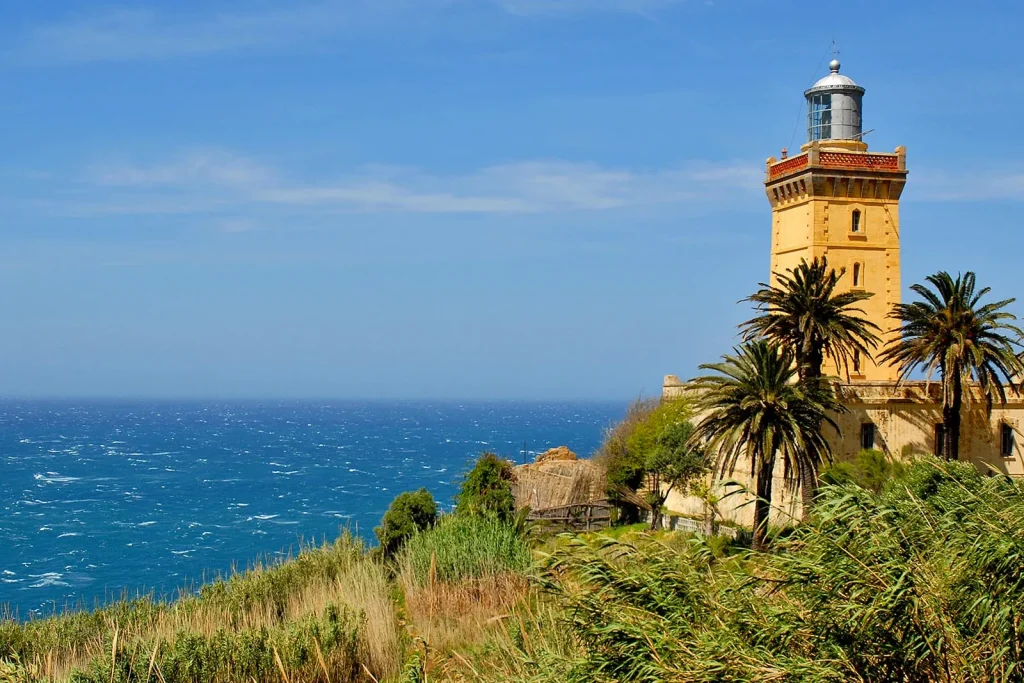
If you have time and energy, go beyond the city to Cap Spartel and the Hercules Caves. The ocean cliffs and panoramic views are dramatic, and they give you a memorable “north Morocco” contrast before the inland drive begins.
Moreover, this excursion is a common add‑on for travelers booking Morocco Excursions through a tour operator in Morocco. It’s especially worthwhile if your arrival day is early and you want a scenic coastal introduction.
Overnight: Tangier
Day 2: Tangier → Chefchaouen (Blue City in the Rif Mountains)
Day 2 moves you from the coast into the Rif Mountains, which is a big reason this itinerary feels so varied. The drive is not only transport—it’s a visual transition from Mediterranean influence to mountain landscapes and small-town Morocco.
Once you arrive, Chefchaouen’s slower pace is the point. So, instead of overplanning, give yourself time to wander, photograph, and relax in cafés—this makes Chefchaouen a refreshing counterbalance to Fes later.
Walk the Chefchaouen Medina
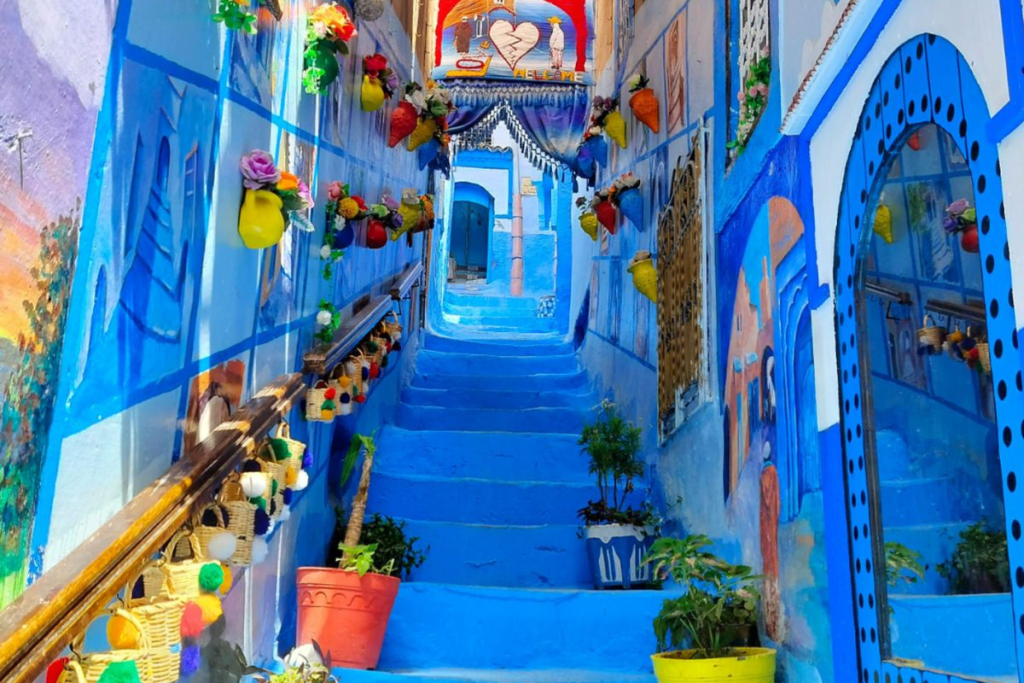
The Chefchaouen Medina is compact, walkable, and famous for blue-painted alleys. While it’s highly photogenic, it’s also a real living town with artisan workshops, local food, and everyday neighborhood life.
Because it’s smaller than other Moroccan medinas, it’s less overwhelming for first‑timers. Consequently, Chefchaouen works beautifully as a “soft landing” between Tangier and the more intense labyrinth of Fes.
Plaza Uta el‑Hammam (Main Square)
The town’s main social hub is Plaza Uta el‑Hammam, surrounded by restaurants and cafés. It’s ideal for a relaxed lunch, mint tea, and a first orientation of the medina’s layout.
Later, return to the square in the evening when the atmosphere becomes especially pleasant. Many travelers enjoy Chefchaouen most at a slow pace, which is why it’s often included in Morocco Holiday Packages.
Kasbah Museum & Ras El Maa
If you want a short cultural stop, visit the Kasbah Museum. It’s convenient, low‑effort, and helps you understand the region’s identity in context.
Then, walk toward Ras El Maa, where water flows near the edge of the medina. This small area offers a natural break and a local vibe that feels very different from the big-city bustle.
Spanish Mosque Viewpoint (Sunset)
For panoramic views, walk up to the Spanish Mosque viewpoint in the late afternoon. The perspective over the blue town against the mountains is one of the most iconic sights on the northern part of the route.
Because the walk is short but uphill, go at a comfortable pace. If you’re traveling independently, bring water, and if you’re on Morocco Private Tours, ask your guide to recommend the best sunset timing.
Overnight: Chefchaouen
Day 3: Chefchaouen → Fes (Arrival into Imperial Morocco)
Day 3 takes you toward Fes, one of Morocco’s most important imperial cities. The shift from mountain calm to dense historic urban life is dramatic, and that contrast is exactly what makes this itinerary feel complete.
After arrival, aim for a light introduction rather than a full deep-dive. Since Day 4 is dedicated to Fes, it’s smarter to enjoy a first medina walk, choose a good dinner spot, and rest for tomorrow’s longer exploration.
First Walk in Fes el‑Bali
Your first destination should be Fes el‑Bali, the historic medina and cultural heart of the city. It’s one of the world’s largest car‑free urban areas, filled with workshops, souks, and centuries-old streets.
Because navigation can be confusing, many travelers either hire a local guide or use a careful “main street first” approach. Either way, this first walk sets the tone for your full Fes Travel Guide day tomorrow.
Bab Bou Jeloud & Evening Atmosphere
Visit Bab Bou Jeloud, the famous blue gate and a key entrance to the medina. From here, you can access well-known streets without feeling immediately lost.
In the evening, Fes becomes calmer, which is a good time to try a traditional restaurant. Since this itinerary includes long road days later, an early night can be the best decision.
Overnight: Fes
Day 4: Explore Fes (Culture, Crafts & History)
Fes rewards time and patience. Unlike some destinations where sightseeing is mostly monument-based, Fes is about the living craft culture—metalwork, leather, ceramics, textiles, and traditional markets operating in historic spaces.
If you want deeper context, a licensed guide can be valuable. Additionally, a guided tour helps you avoid getting lost and improves your cultural understanding—one reason why Fes is central to so many Morocco Tours Services and Morocco Tour Packages.

Tours from fes:
Begin in the artisan quarters and souks. You’ll see workshops shaping copper, carving wood, stitching leather, and painting ceramics—skills passed down through generations.
Even if you don’t plan to shop, watching the work is the experience. To keep it comfortable, take breaks in quieter lanes and consider returning to your riad midday for rest.
Bou Inania Madrasa & Architectural Highlights
Visit Bou Inania Madrasa for some of the city’s most beautiful craftsmanship—zellij tilework, carved plaster, and cedar wood details.
As you walk, observe doors, fountains, and small courtyards. In Fes, the “in-between” spaces are often as impressive as the formal monuments.
Al Quaraouiyine Area & Nejjarine
Continue toward the Al Quaraouiyine area (often viewed from outside). While access rules vary, the surrounding streets still show the historic importance of this scholarly district.
Next, stop at the Nejjarine Museum and Fountain area, another excellent spot for architecture and a calmer pause away from the busiest souks.
Chouara Tanneries (Classic Fes Experience)
The Chouara Tanneries are among Fes’s most famous sights. Traditionally, you view them from a terrace, which offers a wide perspective of dye pits and leather production.
To make the visit easier, go earlier in the day and consider bringing a scarf or mint sprig (often offered). This stop is a “must” for many travelers following a Morocco Travel Guide style itinerary.
What to eat in Fes
Fes is a great city for traditional food. Try tagine, couscous, pastilla, harira, and mint tea, and consider tasting local sweets if you enjoy pastries.
Because you’ll have a long drive tomorrow, choose a dinner that’s delicious but not overly heavy. Hydration and rest matter before the journey to the Sahara.
Overnight: Fes
Day 5: Fes → Merzouga (Middle Atlas to Sahara Desert)
Day 5 is one of the longest drives in the itinerary, yet it’s also among the most scenic. You’ll cross the Middle Atlas, pass cedar forests, and enter increasingly arid landscapes before reaching the desert edge at Merzouga.
Because timing is important, many travelers prefer this day with private transport. That is why Morocco Private Tours, Morocco Tours Services, and structured Morocco Desert Tours are popular for this segment—stops can be planned efficiently without stress.
Stop in Ifrane (Switzerland of Morocco)
A short stop in Ifrane is a fun contrast, with its clean streets and European-style architecture. It’s not a “classic medina” destination, which is exactly why it stands out.
Even a 20–30 minute pause here helps break up the drive. Furthermore, it’s a good place to grab coffee and stretch before the mountain roads continue.
Middle Atlas, Azrou & Cedar Forests
As you continue, you may pass near Azrou and cedar forests. With some luck, you’ll see Barbary macaques, although it’s best to observe respectfully and avoid feeding wildlife.
The value of this section is the gradual transformation of landscapes. Instead of jumping by plane, you actually feel Morocco change—one of the best reasons to do a road-based itinerary.
Ziz Valley, Erfoud & Rissani
Later, you’ll descend toward palm valleys like the Ziz Valley, then pass through Erfoud and Rissani—gateways to the desert region.
These towns connect historically to caravan routes and desert commerce. Even if you only stop briefly, you’ll sense the cultural shift from imperial north to Saharan south.
Arrive Merzouga + Sahara Sunset
Arriving near Merzouga and the Erg Chebbi dunes feels like entering another world. If time allows, head out for your first desert sunset—colors change fast and photos can be spectacular.
Finally, transfer to your desert camp (often by camel or 4×4 depending on your style of Luxury Morocco Tours or standard camp). The first night in the dunes is usually a highlight of the entire trip.
Overnight: Merzouga desert camp (Erg Chebbi)
Day 6: Merzouga Sahara Day (Dunes, Culture & Desert Activities)
Day 6 gives you the time that many travelers wish they had: a full Sahara day. Instead of just sleeping in the desert and rushing out, you can explore dunes, nearby villages, and different perspectives of desert life.
This is also the best day to personalize your trip. Depending on your interests, you can choose a calm, scenic pace—or you can add adventure activities that many Morocco Desert Tours offer.
Sunrise + Slow Morning in the Dunes
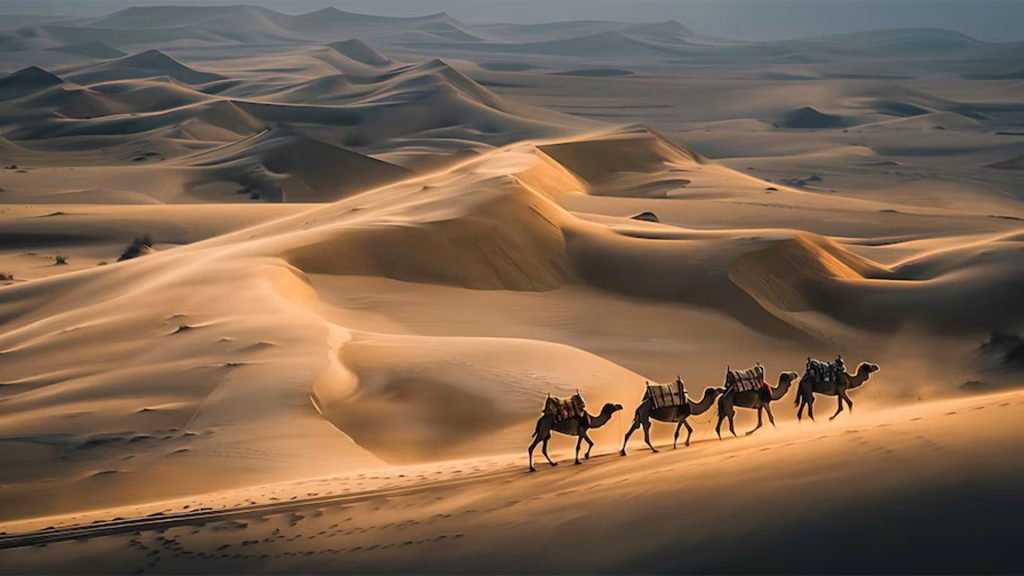
Wake early for sunrise, when the dunes glow and the light is soft. Even if you’re not a photographer, the atmosphere is genuinely unique.
After breakfast, take your time. Because desert experiences feel better when unhurried, avoid stacking too many activities back‑to‑back.
Camel Trekking & Desert Walks
Camel trekking is the classic Sahara experience, and it remains popular because it matches the landscape’s rhythm. A short trek at golden hour often feels better than a long midday ride.
If you prefer, you can also do simple dune walks near camp. Sometimes the quietest moments—walking, listening, watching shadows—become the most memorable.
4×4 Desert Excursion + Khamlia (Gnawa Music)
A 4×4 excursion can expand your view beyond the immediate dunes. Many tours include small villages, desert plateaus, and scenic stops.
Consider visiting Khamlia to hear Gnawa music, which adds cultural depth. This is where a well-planned Morocco Tours Services style program can feel richer than a basic “sleep in a tent” experience.
Sandboarding & Sunset
If you want something active, try sandboarding. It’s simple, fun, and surprisingly accessible for beginners.
Finish the day with another sunset from a dune ridge. Since each sunset looks different, most travelers enjoy repeating it—especially with mint tea afterward.
Overnight: Merzouga (camp or desert lodge)
Day 7: Merzouga → Todra Gorge → Dades Valley
Day 7 transitions you from dunes to dramatic rock landscapes. The drive crosses desert plains and oasis zones, and then rises toward gorges and valleys shaped by water and geology.
This section is also why the itinerary feels complete: you don’t jump straight from desert to Marrakech. Instead, you experience southern Morocco’s kasbah routes and valley scenery in between.
Stop in Rissani (Optional)
If you didn’t stop earlier, Rissani can be worth a brief visit. It’s a regional market town with authentic daily life rather than tourist polish.
Even a quick walk helps you understand the desert region beyond dunes. In addition, it provides a natural break before reaching Todra.
Todra Gorge (Walk Between Canyon Walls)
Todra Gorge is famous for its towering canyon walls and refreshing atmosphere. A short walk here is ideal after time in the desert.
Because it’s scenic and accessible, Todra is commonly included in Morocco Tour Packages. It’s also a great place for family travelers who want a highlight without strenuous hiking.
Dades Valley Scenic Route
Continue to the Dades Valley, known for winding roads, kasbah scenery, and layered mountain landscapes. The viewpoint roads here are some of the most photogenic in southern Morocco.
As evening arrives, enjoy the calm. Since Day 8 includes multiple major stops plus the Atlas crossing, resting well tonight improves the overall experience.
Overnight: Dades Valley
Day 8: Dades → Ouarzazate → Ait Ben Haddou → Marrakech
Day 8 is packed, but it’s packed with iconic scenery. You’ll travel the famous southern route through Ouarzazate, visit Ait Ben Haddou, and cross the High Atlas Mountains into Marrakech.
Because there are several highlights in one day, a planned schedule helps. This is where a private driver, structured stops, and timing—often included in Morocco Tours Services—can make the day feel enjoyable instead of rushed.
Ouarzazate (Gateway to the South)
Stop in Ouarzazate, associated with kasbah architecture and film history. Depending on time, you may also see panoramic viewpoints and desert‑edge landscapes.
Even if you do not enter studios, the environment is striking. Moreover, this area helps connect the Sahara experience with the Marrakech side of Morocco.
Ait Ben Haddou (UNESCO Ksar)
Ait Ben Haddou is a fortified earthen village and one of Morocco’s most famous UNESCO sites. Walk through the alleys and climb toward the upper viewpoints for the best photos.
Because it’s widely known, it can be busy. Therefore, arriving earlier (when possible) improves the experience and allows for more peaceful exploration.
High Atlas Mountains (Scenic Crossing)
Crossing the High Atlas is part of the adventure. The road includes switchbacks, changing climates, and wide viewpoints that feel dramatically different from the desert.
Plan short photo stops and bathroom breaks. If you’re prone to motion sickness, sit forward and keep water accessible.
Arrive Marrakech (Evening)
Arrive in Marrakech in the evening and keep plans simple. A calm dinner and a short walk can be enough after a long travel day.
Because Day 9 is your main Marrakech sightseeing day, it’s better to save your energy for tomorrow’s medina exploration.
Overnight: Marrakech
Day 9: Explore Marrakech (Medina, Souks, Palaces & Gardens)
Marrakech is intense—in a good way. It’s colorful, energetic, and full of sensory experiences, which is why it’s central to almost every Morocco Vacation Guide and classic Morocco Tours program.
To enjoy Marrakech more, balance busy areas with quiet ones. In other words, combine Jemaa el‑Fnaa and the souks with palaces, gardens, and slower café breaks.
Jemaa el‑Fnaa (Day + Night)
Start at Jemaa el‑Fnaa, the main square. During the day it’s lively, but at night it transforms into a huge open-air food and entertainment scene.
If you love food, consider a guided Marrakech Street Food Tour. This can improve comfort, help you choose the best stalls, and add storytelling to what you’re tasting.
Koutoubia Mosque + Old City Walks
Visit the exterior of the Koutoubia Mosque, Marrakech’s most famous landmark. The surrounding gardens are ideal for a calmer pause between busier stops.
Then, walk toward the medina lanes. Even simple wandering here is rewarding, because Marrakech’s atmosphere is as much about movement and sounds as it is about monuments.
Bahia Palace + Saadian Tombs
Explore Bahia Palace for its courtyards, decorative details, and traditional design. It offers a quieter and more elegant view of Marrakech history.
Next, visit the Saadian Tombs, another major historic site. Because these spots are popular, going earlier in the day often reduces queues.
Souks + Ben Youssef Madrasa + Majorelle Garden
Spend time in the souks, but don’t rush. The best discoveries are often in side alleys where craftspeople work quietly.
If time allows, add Ben Youssef Madrasa for architecture and Majorelle Garden for a completely different mood—color, plants, and design calm.
Food in Marrakech
Marrakech is excellent for both casual street food and refined dining. Try tagines, grilled meats, Moroccan salads, and seasonal fruit juices.
If you prefer curated experiences, this is also where Luxury Morocco Tours often include cooking classes, hammams, and premium dining reservations.
Overnight: Marrakech
Day 10: Marrakech (Departure Day + Flexible Morning)
On the final day, keep the schedule light. A relaxed breakfast, a final medina walk, or last souvenir shopping usually feels more satisfying than squeezing in one more big monument.
If you have extra time, choose one “last memory” activity—such as a rooftop coffee, a hammam session, or a final garden stroll. Then, plan your airport transfer based on traffic and flight time.
End of itinerary.
Route Summary Table (Tangier to Marrakech in 10 Days)
| Day | Overnight | Core Highlights |
|---|---|---|
| 1 | Tangier | Medina, Kasbah, Cap Spartel |
| 2 | Chefchaouen | Blue streets, Rif views, sunset viewpoint |
| 3 | Fes | Arrival + first medina walk |
| 4 | Fes | Full guided-style exploration, tanneries, crafts |
| 5 | Merzouga | Ifrane, Middle Atlas, Ziz Valley, Sahara sunset |
| 6 | Merzouga | Dunes, camel trek, 4×4, Khamlia, sandboarding |
| 7 | Dades Valley | Todra Gorge, kasbah scenery, valley roads |
| 8 | Marrakech | Ouarzazate, Ait Ben Haddou, High Atlas crossing |
| 9 | Marrakech | Jemaa el‑Fnaa, palaces, souks, gardens |
| 10 | — | Departure |
This route is frequently sold as one of the best Morocco Tour Packages because it includes iconic cities plus the Sahara and southern kasbah route. It also fits travelers searching for Tours from Tangier, as well as those comparing Tours from Fez or Marrakech-based alternatives.
How to Travel This Itinerary (Private, Public, or Hybrid)
The biggest planning challenge is not the cities—it’s the distances between them, especially Fes to Merzouga and Merzouga to Dades. Therefore, transportation choice has a major impact on comfort and timing.
For many travelers, the easiest solution is a private driver/guide arranged through Morocco Tours Services, a specialist travel agency Morocco, or a provider such as Trip To Morocco Tours . This is particularly helpful when you want scenic stops, good camp quality, and a smooth day‑to‑day flow.
Option 1: Morocco Private Tours (Recommended for comfort)
Private touring gives you door‑to‑door logistics, flexible stops, and a consistent schedule. Additionally, private travel helps families, couples, and photography travelers avoid stressful transfers.
This option also supports upgrades like Luxury Morocco Tours, premium riads, and higher-end desert camps. If you’re planning a special trip (honeymoon, anniversary, or milestone), this usually offers the best value-to-comfort ratio.
Option 2: Public transport (Budget-friendly but complex)
Trains and buses work well between some major cities. However, the desert region requires additional planning, local taxis, and careful timing—especially if you want to continue from Merzouga to Dades without losing a full day.
If you choose public transport, keep the schedule flexible. In addition, consider booking key desert segments as a guided excursion to reduce risk.
Option 3: Hybrid (Cities independently + guided desert section)
Many travelers do Tangier/Chefchaouen/Fes independently, then book a desert route from Fes to Marrakech (or vice versa). This hybrid approach is common, especially when comparing Morocco Desert Tours packages.
It’s also a smart solution if you want control in the cities but prefer professional support for the Sahara and kasbah route where logistics are more demanding.
Typical Driving Times (What to Expect)
This itinerary is realistic, but it includes long road days. Knowing approximate durations helps you set expectations and avoid “too much in one day” fatigue.
Common ranges (vary by route, stops, traffic, and weather):
- Tangier → Chefchaouen: ~2–3.5 hours
- Chefchaouen → Fes: ~3.5–5 hours
- Fes → Merzouga: ~7–9+ hours (with stops)
- Merzouga → Dades (via Todra): ~5–7 hours
- Dades → Marrakech (via Ait Ben Haddou): ~6–8 hours
Because of these distances, transition words matter in real life: therefore plan rest stops, however avoid late-night driving when possible, and as a result you’ll enjoy the scenery rather than just “enduring” it.
Best Time to Do This 10‑Day Morocco Itinerary
Morocco has multiple climates in one country. As you move from Tangier to the Sahara and then to Marrakech, temperatures can differ dramatically, so pack and plan accordingly.
Spring (March–May) and Autumn (September–November) are often ideal for this exact route. They offer comfortable city sightseeing, manageable desert temperatures, and pleasant mountain travel.
Summer can be extremely hot in the Sahara and inland valleys, so you’ll need earlier starts, extra water, and shaded breaks. Winter is workable, but desert nights can be cold, and Atlas weather can affect road conditions.
What to Pack (Practical 10‑Day List)
Because you’ll visit coast, mountains, and desert, pack for layers. Comfortable walking and smart sun protection matter as much as clothes.
Bring:
- supportive walking shoes (medinas are uneven)
- lightweight breathable outfits + a warmer layer
- scarf or buff (wind + sand + sun)
- sunglasses + sunscreen + hat
- reusable water bottle + electrolytes
- daypack + power bank
- basic medicines (motion sickness, stomach care)
If you plan photos, add a small lens cloth and extra storage. Moreover, for desert nights (especially in winter), pack warm socks and a fleece or down layer.
Food Guide: What to Eat on This Route
Moroccan cuisine is a highlight across every region. In cities, you’ll have more variety, while desert and valley areas often serve simple, hearty meals.
Try:
- tagine (many varieties)
- couscous (especially Fridays)
- harira soup
- pastilla (especially in Fes)
- grilled meats, Moroccan salads, fresh oranges, mint tea
If you want curated experiences, Marrakech is ideal for guided tastings. In addition, Fes is excellent for traditional dishes with historic ambiance in old-city restaurants.
Who This Itinerary Is Perfect For (And How to Customize)
This route fits first-time travelers who want “the full Morocco” in one trip. It’s also excellent for photographers, couples, and culturally curious travelers who want both cities and landscapes.
Customization options are popular through Morocco Tours Services and private providers because small changes make the itinerary feel more personal—extra nights in Fes, an upgraded camp, or a slower pace in Marrakech.
Can I start in Tangier and end in Marrakech?
Yes—this is one of the most efficient point‑to‑point routes in Morocco. It avoids backtracking and is commonly offered as structured Morocco Tour Packages.
Additionally, it fits travelers searching for Tours from Tangier that finish in Marrakech.
How many nights in Merzouga are ideal?
One night is the minimum for sunset and sunrise. Two nights (as in this itinerary) is better because it gives time for a 4×4 excursion and cultural visits like Khamlia.
If the Sahara is your top priority, add a third night for a slower rhythm and more dune time.
Is Chefchaouen worth it?
Yes, because it adds a mountain setting and a different pace. It also breaks the north-to-Fes journey into a more scenic experience.
For photography and relaxed wandering, it’s often one of the favorite stops.
