
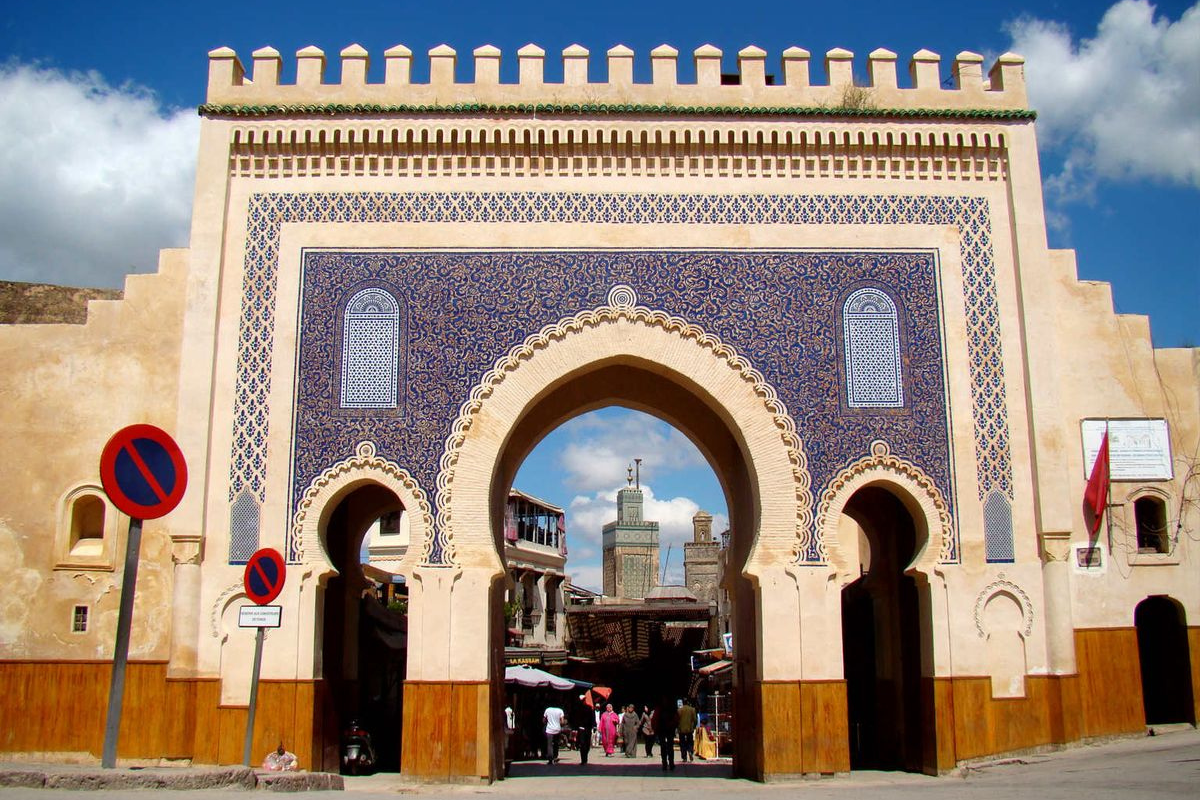

Morocco Travel Tips (2026): The Practical Guide for a Smoother, Safer, More Authentic Trip
I’ll start with a small confession: this guide was one of the most exciting pieces for me to write, and also the one that made me pause the most. Today we’re diving into genuinely useful Morocco travel tips that make a real difference once you land.
I wanted to be sure of three things before publishing this: I wouldn’t leave out essentials, I would add something truly practical, and I would keep everything easy to scan. That’s why these Morocco travel tips focus on real situations you’ll face on the ground, not just generic advice.
Most importantly, I wanted to avoid rambling and still keep the article simple to use. So instead of telling you what to do, I’ll explain why it matters, and then you can choose what fits your travel style.
If you’re planning a Morocco Trip for the first time, you’ll find guidance on safety, money, transport, cultural etiquette, desert tours, packing, and planning routes. If you’ve already visited, these Morocco travel tips will still help you upgrade your itinerary and avoid common mistakes.
Why Morocco Feels “Different” (and Why That’s a Good Thing)
Morocco is close to Europe yet culturally distinct, so many first-time visitors underestimate how different daily norms can feel. Because of that, the best Morocco travel tips start with expectations, not just logistics.
At the same time, Morocco is extremely travel-friendly once you understand the rhythm of medinas, markets, and long-distance routes. Therefore, the goal of this guide is to help you travel smarter without losing spontaneity.
Morocco Travel Tips for Entry Requirements, Passports, and Basic Planning
Most travelers need a passport valid for at least the duration of stay, and some nationalities can enter visa-free for short visits. However, rules change, so confirm your entry requirements with official government sources before booking flights.
Also, keep digital backups of your passport, travel insurance, and reservations in a secure cloud folder. In addition, carry one printed copy in a separate bag in case your phone dies or gets lost.
Morocco Travel Tips on Travel Insurance: The “Annoying” Tip That Saves Trips
Travel insurance is unglamorous, but it can protect you from expensive surprises like hospital visits, flight cancellations, or stolen luggage. Consequently, it’s often the difference between an inconvenience and a financial disaster.
If you plan a desert tour, quad biking, hiking, or any adventure sports, double-check what your policy covers. Similarly, confirm whether your insurance reimburses private clinics, since some travelers prefer them for shorter wait times.
Health, Medications, and Comfort Essentials
Bring any prescription medications in original packaging, and keep them in your carry-on. Meanwhile, pack a small pharmacy kit with anti-diarrheal tablets, rehydration salts, pain relief, and blister care.
If you have dietary restrictions, learn how to explain them simply, because many meals are family-style. For example, knowing how to say “no nuts” or “no dairy” can prevent problems when eating in busy places.
Best Time to Visit Morocco: Weather, Crowds, and Prices
The “best time” depends on where you’re going, because Morocco has mountains, coastline, cities, and desert climates. Generally, spring (March–May) and autumn (September–November) balance pleasant weather with manageable crowds.
Summer can be fantastic on the Atlantic coast, yet it can be intense inland, especially in Marrakech or the Sahara routes. Therefore, if you’re sensitive to heat, schedule desert nights and long drives early or later in the year.
Winter brings cooler nights and snow in the Atlas Mountains, which surprises many visitors. Still, winter is excellent for city travel, cultural experiences, and luxury riads at better rates.
To plan better, connect the season to your itinerary rather than picking dates randomly. In other words, smart timing is one of the most underrated Morocco travel tips for comfort and budget.
How Long to Stay: Building a Realistic Itinerary
Morocco looks compact on a map, but road travel takes longer than many travelers expect. Consequently, rushing your itinerary often creates stress instead of excitement.
A short visit can still be wonderful if you pick one region and explore it deeply. For example, a 3 Days Morocco Itinerary can focus on Marrakech plus the Atlas, or a fast Marrakech Desert Tours loop if you accept long driving days.
If you have a week, a Morocco 7 Day Itinerary can connect Marrakech, Aït Ben Haddou, the Dades Valley, Merzouga, and Fes. Additionally, 10–12 days is ideal if you want to add Chefchaouen, Tangier, Casablanca, or the coast without feeling hurried.
Try to avoid changing hotels every night, because constant packing kills the vibe. Therefore, one of the best Morocco travel tips is to choose fewer bases and do day trips from them.
Choosing Your Style: DIY vs Driver vs Private Tours
Independent travel is absolutely possible, especially between major cities by train. However, once you head toward the Sahara or remote valleys, logistics become more complex and time-consuming.
That’s why many travelers book Private Morocco Tours or a private driver for multi-stop routes. In particular, Luxury Private Tours make sense if you value comfort, flexible stops, and local knowledge without sacrificing safety or pace.
If you want curated planning with customization, consider a specialized Morocco Travel Agency that can build routes around your interests. One option is Trip To Morocco Tours, which focuses on Custom Morocco Tours, desert circuits, and private itineraries.
This is especially helpful when you’re trying to connect cities like Marrakech, Fes, Merzouga, and Chefchaouen efficiently. Consequently, guided planning becomes one of the most practical Morocco travel tips for first-time visitors.
Getting Around Morocco: Trains, Buses, Taxis, and Drivers
Morocco’s train network is reliable on major routes like Casablanca–Rabat–Tangier and Casablanca–Marrakech. Therefore, trains are often the easiest way to move between big hubs with predictable timing.
For routes not served by rail, buses can be comfortable, especially with reputable companies on popular lines. Still, bus schedules can be limited, so booking ahead in high season prevents unpleasant surprises.
Within cities, small taxis are common, and they are convenient for short trips. However, you should confirm the meter is used (or agree on a price first) to avoid awkward negotiations later.
For intercity travel, grand taxis can be faster but may be cramped if you share with others. Consequently, families often prefer private transfers, especially when luggage and comfort matter.
Driving in Morocco: Should You Rent a Car?
Renting a car can be rewarding, particularly for coastal drives or mountain routes with flexible stops. Nevertheless, city driving in Marrakech, Casablanca, or Fes can feel chaotic if you aren’t used to aggressive merging and tight lanes.
If you do rent, take photos of the car before leaving the lot and understand fuel policies. Also, plan your parking strategy ahead of time, since medinas often have limited vehicle access.
For many travelers, hiring a driver is the best compromise between freedom and reduced stress. As a result, you can enjoy the scenery while someone else handles navigation, road conditions, and local driving customs.
Long drives are common on desert routes, so comfort and timing matter more than you think. Therefore, one of the most valuable Morocco travel tips is to plan driving days with plenty of scenic stops.
Where to Stay: Riads, Hotels, and Desert Camps
Staying in a riad inside the medina is one of the most iconic Morocco experiences. However, some riads are hard to reach with luggage, so ask for directions and arrange help if needed.
Hotels outside the medina can be easier for car access and day trips. Therefore, if you’re doing multiple excursions, a modern hotel location can save time and reduce daily friction.
For the desert, you’ll see everything from basic tents to premium camps with real beds and private bathrooms. If comfort matters, choose Luxury Desert Camps Morocco or a Private Desert Tour Morocco Luxury Camp package for better sleep and a calmer experience.
Before booking, check if your stay includes dinner, breakfast, and transfers, because that affects the true cost. In addition, this is one of those Morocco travel tips that prevents “surprise expenses” at the end of the day.
Money in Morocco: Cash, Cards, ATMs, and Budgeting
Morocco is still a cash-forward country in many daily situations, especially in souks, small cafes, and taxis. Consequently, you should carry a reasonable amount of cash and know where ATMs are near your accommodation.
Cards are accepted in many hotels, nicer restaurants, and larger shops, but not everywhere. Additionally, some places add a small fee for card payments, so keep backup cash even if you prefer plastic.
When exchanging money, compare rates and avoid exchanging large amounts at airports unless necessary. Similarly, keep small bills and coins handy because tipping and minor purchases are easier with change.
Set a daily budget that includes tips, taxis, and small snacks, because those costs add up quickly. As a result, budgeting becomes one of the simplest Morocco travel tips to reduce stress.
Tipping Etiquette: What’s Normal and What’s Not
Tipping in Morocco is common, and small tips can significantly improve service interactions. For example, rounding up in cafes, tipping hotel staff, and rewarding helpful guides is normal.
That said, tipping should feel like appreciation, not pressure. Therefore, decide your comfort level and be consistent so you don’t feel pulled into constant overpaying.
Language Basics: Small Efforts Go a Long Way
Morocco is multilingual, and you’ll commonly hear Moroccan Arabic (Darija), Amazigh languages, and French. In tourist areas, English and Spanish are also common, yet a few local phrases still earn smiles.
Learn basic greetings and polite phrases first, because they soften almost every interaction. Moreover, when negotiating or asking for directions, a friendly “hello” and “thank you” can change the entire tone.
Cultural Etiquette: Respect Without Overthinking
Morocco is welcoming, and visitors don’t need to be perfect to be respectful. Still, it helps to dress modestly in more conservative areas, particularly in smaller towns or religious sites.
In cities like Marrakech, you’ll see a wide range of clothing styles. However, modest outfits reduce unwanted attention and help you blend in more comfortably.
Public displays of affection are less common than in some Western countries. Therefore, keep behavior more reserved in public spaces, especially outside nightlife zones.
If you’re unsure, follow what locals do in that neighborhood and keep it simple. In practice, that’s one of the most effective Morocco travel tips for respectful travel.
Morocco Safety Tips: What to Watch For (Without Panic)
Most travelers experience Morocco as safe, especially when using standard big-city awareness. Nevertheless, medinas are busy and confusing, so petty theft and opportunistic scams can happen.
Keep your phone secure, avoid flashing expensive jewelry, and stay alert in crowded markets. In addition, use a crossbody bag and keep valuables in interior pockets when walking through dense souks.
If someone approaches very aggressively offering help, you’re allowed to say no and keep moving. Likewise, if you feel uncomfortable, step into a shop or cafe to reset your bearings.
These precautions are not about fear, but about awareness in busy tourist zones. Therefore, safety awareness remains one of the most searched Morocco travel tips for a reason.
Common Scams and How to Respond Calmly
A classic situation is an unsolicited “guide” who insists your route is closed and offers to lead you another way. Consequently, it’s smart to rely on offline maps, ask shopkeepers, or book official guides when you actually want one.
Another common issue is pricing confusion in taxis or markets. Therefore, confirm prices before a service begins, and don’t be afraid to walk away if the situation feels manipulative.
Photos can also lead to uncomfortable moments, especially in tourist-heavy squares. For example, street performers may demand money if you photograph them, so ask first or avoid taking pictures at close range.
Shopping in Souks: Bargaining Without Stress
Bargaining is part of the culture in many markets, and it can be fun if you treat it like a game. However, it’s best to bargain only when you’re genuinely interested in buying.
Start with friendly conversation, ask the price, and counter with a lower offer that still feels respectful. Additionally, set a personal “maximum price” in your mind, because discipline prevents regret later.
If you want fixed prices, shop at cooperatives or modern boutiques. As a result, you’ll pay more sometimes, but you’ll avoid negotiation fatigue.
If bargaining makes you nervous, practice on small items first and keep it polite. Over time, this becomes one of the easiest Morocco travel tips to master.
Food Guide: What to Eat and How to Eat Safely
Moroccan cuisine is one of the highlights of the trip, especially tagines, couscous, grilled meats, and fresh salads. Moreover, mint tea culture is as memorable as the meals themselves.
For street food, choose busy stalls with high turnover because freshness is usually better. Similarly, start slowly if your stomach is sensitive, and avoid raw foods if you’re unsure about washing practices.
Drink bottled water if you want maximum caution, especially outside major hotels. In addition, carry tissues and hand sanitizer, because some public restrooms don’t provide soap or paper.
Moroccan Culture: Hospitality, Pace, and Social Norms
Moroccan hospitality is real, and you may be invited for tea or casual conversation. Therefore, be open to warmth, yet keep boundaries if you feel pressured into purchases.
Daily life can feel slower than what many travelers are used to, particularly outside large cities. Consequently, building extra time into your schedule reduces frustration and makes delays feel normal.
Fridays are important for prayer, and some businesses may run on different rhythms. Similarly, during Ramadan, many restaurants adjust hours, so plan your meals and tours accordingly.
What to Wear in Morocco: Comfort, Respect, and Weather
Packing for Morocco is easier when you plan for sun, walking, and temperature swings. For example, desert areas can be hot by day and surprisingly cold at night.
Breathable fabrics, comfortable shoes, and layers are your best friends. Additionally, a light scarf can be useful for sun, dust, modesty, or sudden temperature changes.
For women, modest outfits can reduce attention, although Morocco is diverse and urban centers are more flexible. For men, lightweight pants and breathable shirts often feel better than shorts in heat and sun.
Connectivity: SIM Cards, eSIMs, and Wi‑Fi Reality
You can buy local SIM cards at airports and in city shops, often with affordable data plans. However, coverage varies by region, so don’t assume strong signal in mountain valleys or deep desert zones.
Wi‑Fi is common in riads and hotels, yet it can be inconsistent. Therefore, download offline maps, key translations, and confirmations before moving between cities.
Planning by City: Quick Practical Guides (What Matters Most)
A Marrakech Travel Guide should emphasize navigation, because the medina can be disorienting on day one. Additionally, planning a few calm rooftop breaks helps you enjoy the intensity instead of feeling overwhelmed.
A Fes Travel Guide should prioritize guided exploration if you want deep cultural context in the old medina. Meanwhile, be ready for narrow alleys and steep steps, so comfortable shoes become non-negotiable.
A Casablanca Travel Guide is different, because it’s more modern and spread out than other Moroccan cities. Therefore, taxis and careful neighborhood planning matter more than medina navigation.
A Tangier Travel Guide often focuses on the blend of sea views, history, and day trips toward the north. In addition, Tangier can be a great entry point for travelers who want a cooler climate and easier pacing.
A Chefchaouen Travel Guide should be built around slow travel, photography, and relaxed mornings. Consequently, staying at least one night is better than rushing it as a quick stop.
Morocco Travel Tips for Trips From Marrakech: The Smart Way to Choose
The best Trips From Marrakech depend on what you want to feel: mountains, desert, ocean, or culture. For example, you can choose Atlas villages for nature, Essaouira for coast, or Ouarzazate for cinematic landscapes.
If you want sand dunes, be honest about driving time before booking. Therefore, a multi-day route is usually better than trying to “touch the desert” and come back in a single exhausting day.

Tours From Fez, Casablanca, Tangier, and Beyond
Tours From Fez are ideal for travelers who want culture plus a Sahara route that finishes in Marrakech. Similarly, Fes Desert Tours often include Ifrane, cedar forests, and scenic valleys on the way south.
Tours From Casablanca work well if Casablanca is your flight hub and you want a structured loop. In addition, Tours From Casablanca Morocco can include Rabat, Chefchaouen, Fes, and the desert with efficient pacing.
Tours From Tangier are perfect for north-focused itineraries that combine blue towns, coastal views, and cultural depth. Consequently, Tangier Morocco Tours are popular for 7–10 day routes that feel varied without excessive driving.
For Sahara access, Tours From Errachidia are a time-saving option because the airport is closer to Merzouga than Marrakech or Fes. Likewise, Tours From Ouarzazate are excellent for travelers who want desert plus kasbahs, valleys, and film locations.

Morocco Travel Tips for Sahara Desert Tours Morocco: What the Experience Is Really Like
A Sahara night is unforgettable, but expectations matter. The desert is peaceful, yet the journey is part of the adventure, so you should plan stops to keep the drive enjoyable.
Most classic routes target Erg Chebbi dunes near Merzouga. Therefore, Merzouga Desert Camp Morocco stays are a popular choice for camel rides, sandboarding, and sunrise views.
Camel rides can be fun and scenic, but they aren’t comfortable for everyone. Consequently, ask about 4×4 alternatives if you have back issues or prefer a smoother ride.
At night, temperatures can drop sharply, especially outside summer. In addition, wind can carry sand into everything, so bring a scarf and keep electronics protected.
Marrakech to Fes Desert Route: The Classic Overland Journey
The Marrakech To Fes Desert Tour is famous for a reason, because it stitches together dramatic scenery and cultural variety. Typically, it includes Aït Ben Haddou, Ouarzazate, valleys, gorges, and desert nights.
A strong option for first-timers is a 3 Days Marrakech To Fes Desert Tour, because it balances distance with highlights. However, if you want a slower pace, four days usually feels more comfortable and less rushed.
If your schedule is tight, a 2 Days Zagora Desert Tour From Marrakech can offer a “desert-like” experience with shorter travel times. Still, Zagora is not the high dunes of Merzouga, so match the tour to your expectations.
To avoid disappointment, clarify what kind of dunes and camp you’re booking before you pay. This is another one of those Morocco travel tips that saves you from mismatched expectations.
Morocco Travel Packages: What to Look For Before Booking
Not all Morocco Travel Packages are built the same, even if the itineraries look similar on paper. Therefore, ask about hotel categories, exact camp location, included meals, language of the guide, and vehicle comfort.
Also confirm whether “shopping stops” are optional or mandatory. Additionally, request a day-by-day schedule with approximate driving times, because that’s where many disappointments originate.
If you want maximum flexibility, choose a Morocco Travel Package that is private and customizable. As a result, you can adjust departure times, add photo stops, and choose quieter lunch locations.
When you compare offers, don’t compare price only, compare what’s included and what’s guaranteed. In fact, smart comparisons are one of the most money-saving Morocco travel tips you can apply.
Private Tours Marrakech: When Private Makes Sense
Private Tours Marrakech are especially helpful if you want to learn the medina without stress. Moreover, a good guide helps you understand history, architecture, and etiquette in a way that transforms the city from “busy” to “brilliant.”
Private tours also work well for families, because kids can set the pace and you can take breaks when needed. Similarly, honeymooners often prefer privacy for romantic dinners, upgraded riads, and flexible departure times.
Luxury Morocco Tours: What “Luxury” Really Means Here
Luxury Morocco Tours aren’t only about expensive hotels. Instead, they usually mean smoother logistics, higher comfort transport, well-chosen riads, and less time wasted on avoidable friction.
A luxury desert tour can include premium tents, private bathrooms, and curated meals under the stars. In addition, luxury planning often includes better timing, so you avoid arriving at viewpoints with crowds.

Tours from fes : The following links are useful if you prefer starting your desert route from the cultural capital. In addition, they fit travelers who want to finish in Marrakech with a clear plan.
2-Day Desert Marrakech Tour From Fes
3-day Desert Marrakech Tour From Fes
4-day Morocco Desert Tour From Fes to Marrakech
5 Days Morocco Tour Itinerary From Fes to Marrakech
Family Tours in Morocco: Simple Strategies for Traveling with Kids
Morocco can be fantastic for families because people are generally warm toward children. However, kids do best with shorter driving days, predictable meal options, and downtime between sightseeing.
Choose accommodations with easy access and breakfast you can rely on. Additionally, plan one “kid win” per day, such as a garden visit, a camel ride, or a hands-on cooking activity.
For planning, look for Best Morocco Family Tours Packages that build in rest stops and family-friendly hotels. Consequently, the trip feels fun rather than like a forced march through landmarks.
Honeymoon in Morocco: Romance Without the Clichés
A honeymoon can be magical in Morocco if you balance cities with quiet escapes. For example, combine a boutique riad in Marrakech with a desert luxury camp and a coastal wind-down.
Look for Morocco Honeymoon Tours Packages that offer privacy, upgraded rooms, and flexible dining options. Moreover, booking a few special experiences—like a hammam day or a sunset private dinner—creates standout memories.
Small Group Tours Morocco Desert: Pros and Cons
Small Group Tours Morocco Desert can be cost-effective and social. However, group dynamics affect pace, stop times, and the overall mood, so it’s best for travelers who are flexible.
Private tours give you control, yet they cost more. Therefore, decide whether budget savings or personalization matters more for your travel style.
Morocco Cultural Tours From Fes: A Deep-Dive Approach
Fes is ideal for travelers who want history, craftsmanship, and traditional life. Consequently, Morocco Cultural Tours From Fes often focus on artisans, architecture, and guided context that’s hard to absorb alone.
If you love photography and storytelling, guided cultural touring pays off quickly. Additionally, you’ll learn how to navigate respectfully in sensitive areas, including workshops and religious-adjacent spaces.
Morocco Activities: Ideas That Go Beyond “Just the Medina”
If you want adrenaline, Morocco offers desert quads, dune buggies, hiking, and water sports. For example, Quad Biking Desert excursions and Agafay Desert Activities are popular near Marrakech for half-day thrills.
For more unusual experiences, consider a Marrakech Sidecar Ride Adventure or a Marrakesh By Bike Adventure through less touristy neighborhoods. Similarly, a Marrakech Street Food Tour can be a delicious way to understand flavor, etiquette, and local habits.
If you’re building a special-interest trip, you can add Golfing In Morocco at top courses or Windsurfing In Morocco on the coast. Meanwhile, Rafting In Morocco is possible seasonally, depending on water levels and routes.
For a bucket-list morning, Hot Air Balloon Marrakech flights can be stunning in clear weather. In addition, they’re often paired with breakfast and transfers, making the logistics easy.
Photography Rules: People, Permission, and Respect
Morocco is photogenic, but photographing people requires sensitivity. Therefore, ask permission when possible, especially in rural areas or when photographing artisans at work.
Avoid photographing police or sensitive infrastructure. Additionally, be cautious in busy squares where performers may demand payment if they notice you took a close-up.
Religion, Ramadan, and Visiting Mosques
Morocco is a Muslim-majority country, and respectful behavior is appreciated. During Ramadan, many locals fast during the day, so be discreet with eating and drinking in public when outside tourist areas.
Most mosques are not open to non-Muslim visitors, with a few notable exceptions like Hassan II Mosque in Casablanca. Therefore, research rules and dress requirements in advance to avoid disappointment at the door.
Time Management: The Hidden Key to Enjoying Morocco
Morocco rewards slow travel, because many of the best moments are unplanned conversations and small discoveries. Consequently, if you pack your schedule too tightly, you’ll miss what makes the country feel alive.
Build buffer time into every travel day. Moreover, assume you’ll want extra time for tea stops, photos, and getting slightly lost in the best way.
A Practical Packing Checklist (That Matches Real Morocco)
Start with footwear that can handle uneven stone streets and long walks. Additionally, pack layers, because daily temperatures can swing more than you expect.
Bring a portable charger, a universal adapter, and a small daypack for water and essentials. In addition, carry a scarf, sunglasses, sunscreen, and lip balm because sun and dust can be intense.
For desert nights, pack a warmer layer than you think you need. Consequently, you’ll sleep better and enjoy sunrise without shivering through it.
When to Use Guides (and When Not To)
Guides are most valuable when context matters, such as Fes medina history or artisan quarters. Therefore, if you love learning, a licensed guide quickly turns sightseeing into understanding.
On the other hand, some days are better unstructured, like wandering Chefchaouen or relaxing in Essaouira. Similarly, you don’t need a guide for every city if you’re comfortable with maps and a relaxed pace.
Why Many Travelers Choose Trip To Morocco Tours
If you want a trip that feels personal rather than generic, working with specialists helps. Trip To Morocco Tours offers Trips To Morocco Tours, private circuits, and tailored routes that can match budget or luxury preferences.
This matters because Morocco’s best experiences often depend on timing, route design, and small logistical details. As a result, the right planning can upgrade the same destinations into a smoother, more comfortable journey.
Whether you want a Morocco Tour Package, a private driver, or a Sahara Desert Tours Morocco route, customization is often the difference-maker. Additionally, having local support can reduce stress if plans change or you need quick help.
If your goal is a stress-free experience, pairing local expertise with clear planning is essential. Therefore, many travelers treat this as one of the most practical Morocco travel tips for a first visit.
Sample Itinerary Ideas (Flexible Building Blocks)
If you want a fast highlight reel, focus on Marrakech plus a nearby escape. For example, do the medina, gardens, a hammam, and then add a one- or two-day nature trip.
If you want the iconic overland route, choose the Marrakech To Fes Itinerary through the desert. Consequently, you’ll experience kasbah landscapes, valleys, and the dunes in one coherent journey.
If Casablanca is your entry, build a Casablanca To Desert Itinerary that moves east toward culture and landscapes. Additionally, you can end in Marrakech for flights, shopping, and a final rooftop dinner.
If you enter from the north, a 10 Days Morocco Itinerary From Tangier can include Chefchaouen, Fes, the desert, and Marrakech. Therefore, you’ll get variety without backtracking too much.
For a deeper trip, a 12 Days Morocco Tour can add the coast or the Atlas for balance. Moreover, this pace gives you rest days, which makes the entire trip feel richer.
Final Morocco Travel Tips Checklist
Plan fewer bases and stay longer in each, because transit time is real. Additionally, confirm driving durations before committing to desert routes.
Carry cash, negotiate politely, and confirm taxi pricing up front. Moreover, dress comfortably and modestly for a smoother, more respectful experience.
Use offline maps and avoid relying on strangers for navigation in confusing areas. Consequently, you’ll reduce scam exposure without becoming suspicious of everyone.
Book a desert experience that matches your comfort level and expectations. In addition, pack layers for cold nights and protect electronics from sand.
If you want less stress and better pacing, consider Private Morocco Tours or Morocco Travel Packages with customization. Therefore, your trip becomes more about experiences and less about logistics.
Finally, keep this guide bookmarked on your phone so you can review it while you travel. These Morocco travel tips work best when you apply them step by step, not all at once.
