

Introduction
Morocco’s imperial cities are not simply “historic stops.” They are living layers of architecture, craft, and daily life that have been accumulating for over a thousand years. If you want to understand Morocco beyond its postcard version, traveling from Casablanca through Rabat, Meknes, Fes, and Marrakech in seven days gives you exactly that: a coherent story of how Morocco’s identity was built, city by city, century by century.
This guide covers the complete 7-day itinerary, the highlights at each stop, practical travel tips, and why this format works especially well as a Morocco Tour for small groups and private travelers alike. If you want to book a structured version of this route, you can start with Tours From Casablanca Morocco and customize from there using Custom Morocco Tours or a ready-made Morocco Travel Package.
Day 1: Arrival in Casablanca (and why it is a stronger start than most travelers expect)
Most travelers treat Casablanca as purely a transit city, but arriving here first and spending even a few hours exploring gives your trip a meaningful anchor. The city is modern, cosmopolitan, and distinctly different from the imperial cities that follow. That contrast is valuable because it shows you where Morocco is going, before the rest of the itinerary shows you where it came from.
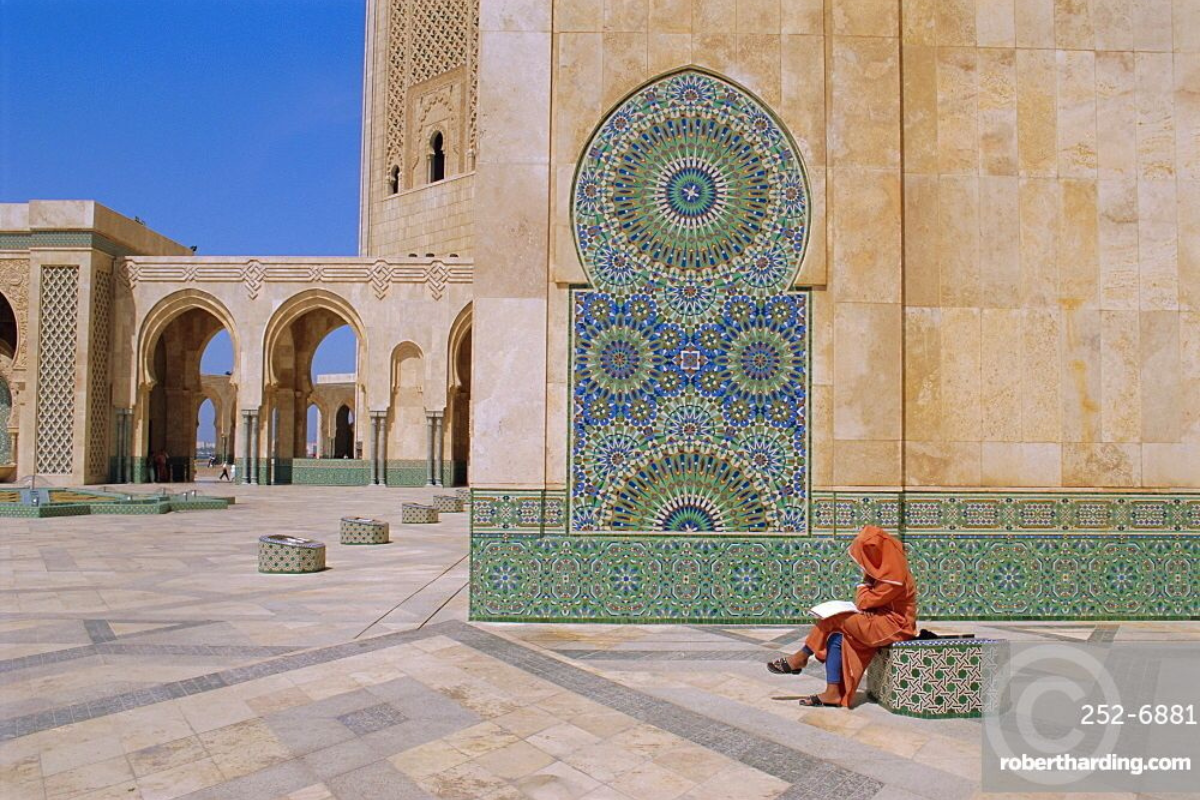
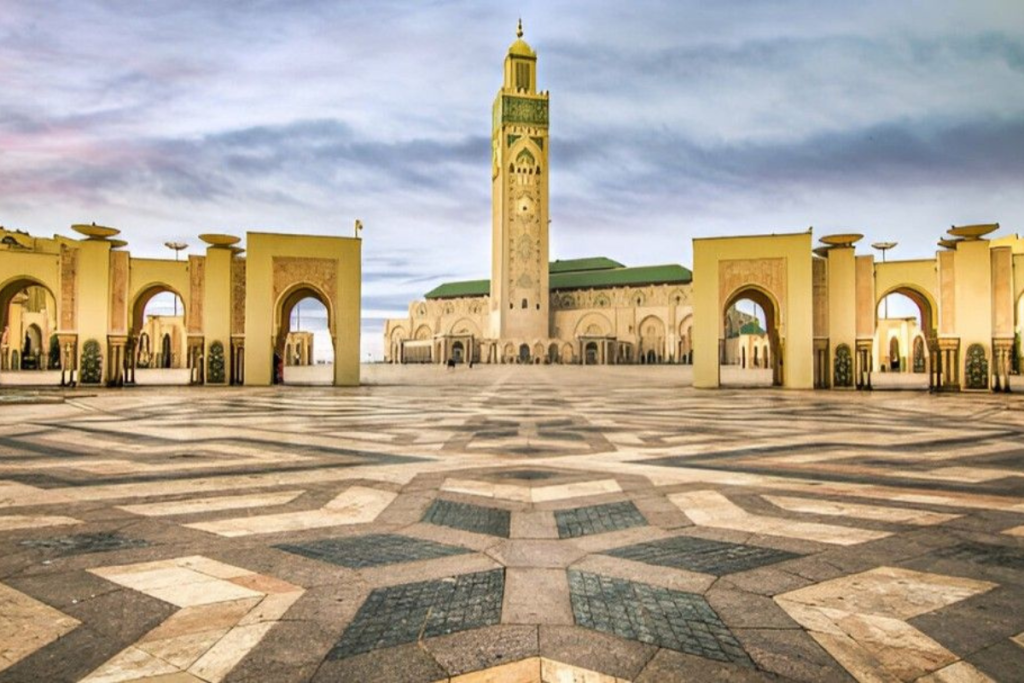
The Hassan II Mosque is the essential stop: partially built over the Atlantic Ocean, with a minaret visible from much of the city, it is one of the most architecturally ambitious buildings in the Arab world. An organized guided visit reveals the craftsmanship at a level of detail that self-guided visits cannot match. In the evening, walking the Corniche or exploring the Habous quarter can give you a relaxed introduction to Casablanca’s rhythm before the more intense city days ahead.
Day 2: Casablanca to Rabat (the capital city that most travelers underestimate)
Rabat is Morocco’s administrative capital, and it carries a dignity and calm that contrasts with Casablanca’s energy and Marrakech’s intensity. The city’s highlights include the Kasbah of the Udayas (a fortified hilltop neighborhood with Atlantic views), the Hassan Tower (an unfinished 12th-century minaret surrounded by columns), and the Mausoleum of Mohammed V, which represents some of the finest modern Moroccan craftsmanship anywhere in the country.
Rabat’s medina is also notably less pressured than Fes or Marrakech, which can be a welcome adjustment on day two. The UNESCO-listed medina and the neighboring Chellah (Roman and medieval ruins combined in one site) are both worth including. If you want the day to flow well, building transport and timing through structured Tours From Casablanca is the most efficient approach.
Day 3: Rabat to Meknes (the “Moroccan Versailles” that rewards slow exploration)
Meknes is one of Morocco’s most undervisited imperial cities, which is exactly what makes it worth the time. Founded in the 17th century by Sultan Moulay Ismail, Meknes was built to rival the grandeur of European capitals. The Bab Mansour gate is one of the most ornate gateways in all of Morocco, and the Royal Stables (Heri es-Souani) reveal the extraordinary ambition of the sultan’s construction projects: originally designed to house 12,000 horses.
The Mausoleum of Moulay Ismail is also open to non-Muslims, which is relatively rare for religious sites in Morocco, making it a culturally significant visit. The city’s souks and market streets feel more local and less performative than in major tourist hubs, which many travelers appreciate after the more intense city stops.
Day 4: Meknes to Fes (with a stop at the Roman ruins of Volubilis)
The drive from Meknes to Fes is one of the best in the imperial cities circuit because it passes through Volubilis, one of North Africa’s best-preserved Roman archaeological sites. The mosaics here are genuinely impressive, and the site’s scale and setting (against the hills near Moulay Idriss) make it feel like a discovery rather than a tourist stop.
Arriving in Fes in the afternoon gives you time to settle into your riad and take a short evening walk in the medina before the more intensive sightseeing begins the next day. Fes el Bali, the old city, is the largest medieval urban area in the Arab world and one of the best-preserved. Its UNESCO Heritage Site status reflects a place that is still actively lived in, not frozen in time, which is exactly what makes it so compelling.
Day 5: Full day in Fes (medina culture, craft districts, and heritage stops)
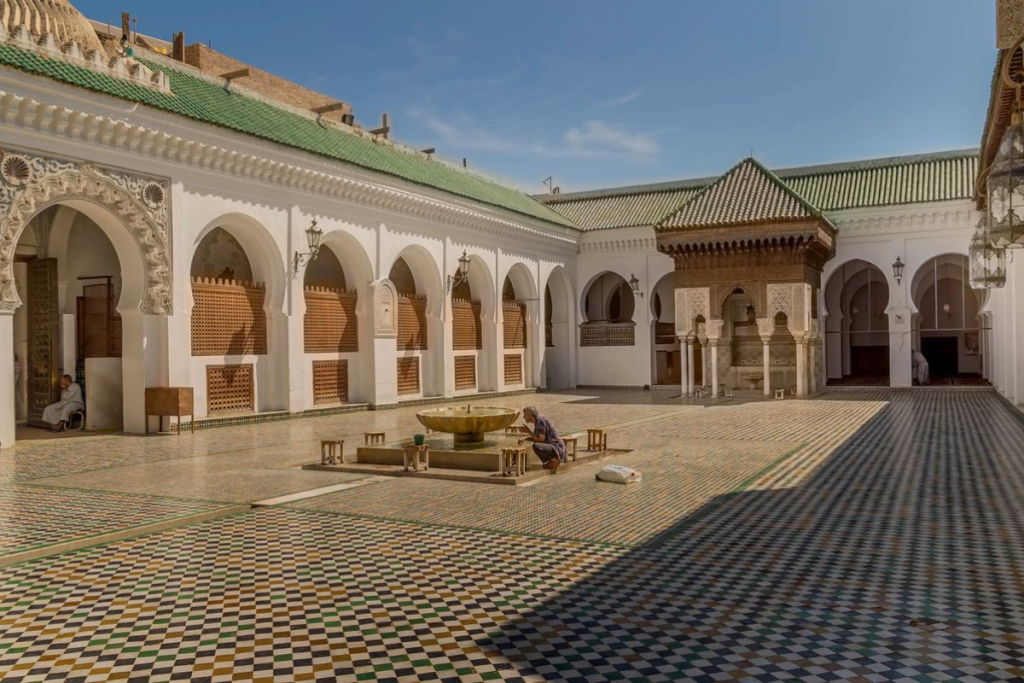
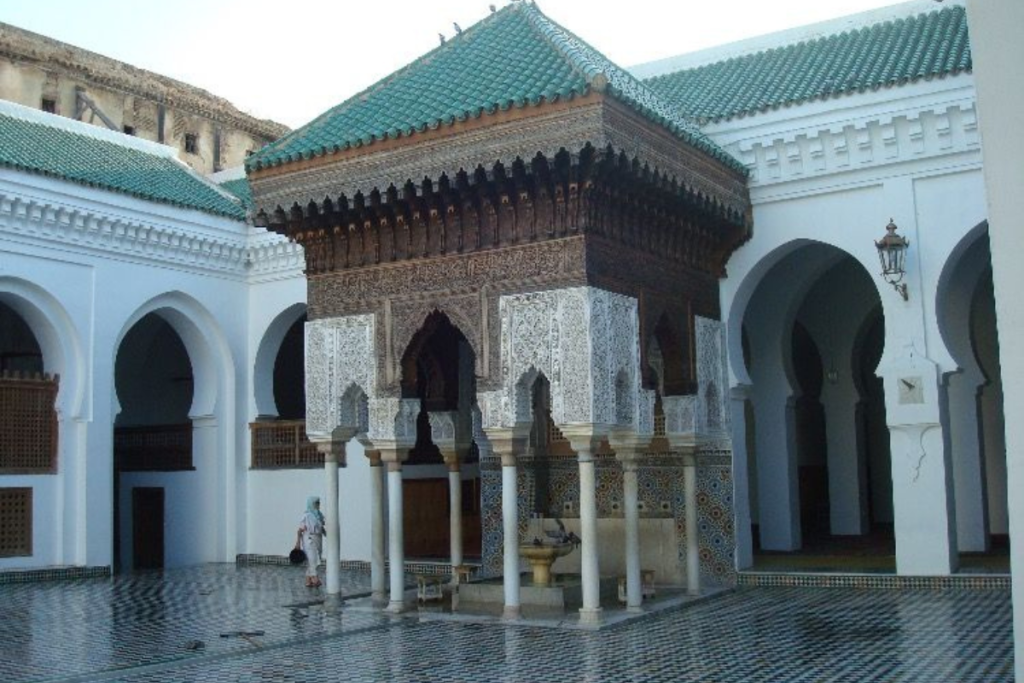
A full day in Fes is the intellectual and cultural peak of this itinerary. The medina is complex and rewards patience: the Bou Inania Madrasa, the Al-Attarine Madrasa, the Chouara Tanneries, the Qarawiyyin area, and the various souk districts all have distinct characters. A good local guide is especially valuable here because Fes has a density of story and context that guidebooks cannot communicate on their own.
This is also a great day for food: Fes has some of Morocco’s most traditional cooking, and a cooking class or a locally recommended restaurant can be a highlight of the entire trip. The Jewish Quarter (Mellah), the Royal Palace gates, and the Borj Nord Museum are all worth including if time allows. For travelers interested in deeper cultural exploration, the Fes chapter pairs naturally with Morocco Cultural Tours From Fes that go beyond the standard medina walk.
Day 6: Fes to Marrakech (a long travel day that becomes scenic)
The drive from Fes to Marrakech is long, but this is one of the moments where the right tour structure makes a real difference. A well-planned route can include mountain scenery, a valley stop, or additional cultural points that turn the driving day into a sightseeing day.
Arriving in Marrakech in the afternoon or early evening, you can still reach the Bahia Palace area, walk near the Koutoubia Mosque, or simply settle into your riad and explore the medina lanes in the cooler evening atmosphere. First-time visitors often find Marrakech overwhelming and exciting simultaneously, which is why a good guide matters: they help you navigate the energy rather than feel consumed by it.
Day 7: Marrakech (slow exploration and departure)
The final day is best kept flexible. Morning visits to Jardin Majorelle, the Saadian Tombs, or the Museum of Marrakech work well because these are relatively calm destinations. The Jemaa el-Fna square is better experienced in the late afternoon and evening if you have time before departure. Shopping for last-minute souvenirs is easier in the morning when the souks are quieter.
What makes this tour work as a small group experience
Small group travel in Morocco has a specific advantage: you get the efficiency and local access of an organized tour without the impersonality of large bus groups. You can still ask questions, adjust the pace at individual stops, and have genuine conversations with your guide. The social dynamic of a small group also tends to enhance the trip because shared reactions to places like the Fes medina or the Volubilis ruins become part of the memory.
For travelers who want even more flexibility and privacy, upgrading to a private version of this route through Private Morocco Tours or Luxury Private Tours gives you complete control over pace and stops. Both formats use the same core imperial cities route; the difference is how much you can personalize each day.
Practical tips for your Morocco imperial cities trip
Morocco is a predominantly Muslim country, and modest dress is appropriate especially near religious sites. Covering shoulders and knees is a standard courtesy that smooths interactions and shows respect. A light scarf or shawl is useful in many contexts and takes up almost no luggage space.
Bargaining is normal in markets, but it should be friendly rather than combative. The best approach is calm interest: ask the price, offer a reasonable counter, and walk away politely if it doesn’t suit you. Many sellers respect this approach and often call you back with a better offer. Carrying small bills in Moroccan dirhams makes market transactions much easier, and keeping a small amount in a separate pocket from your main wallet is a practical safety habit.
Learning a few basic phrases in Arabic or French (both widely used in Morocco) goes a long way in terms of warmth and reception. Even “shukran” (thank you) and “la, shukran” (no thank you) can reduce friction and increase the quality of everyday interactions significantly.
How to extend this itinerary (desert, mountains, and coast)
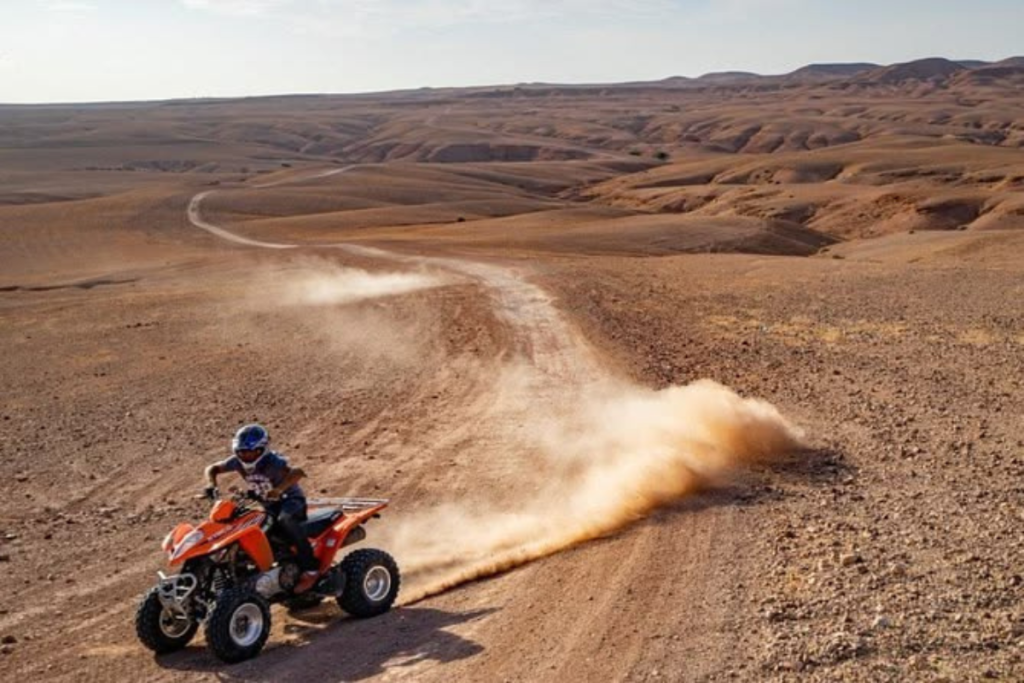
Seven days covers the imperial cities beautifully, but Morocco has much more to offer for travelers with extra time. If you want to add the Sahara, the most satisfying option is to extend the route from Fes southward before heading to Marrakech, which creates a Fes-to-Marrakech desert arc. Routes like a Marrakech To Fes Desert Tour or its reverse can be added as a 3-to-5-day extension, turning your imperial cities week into a comprehensive 10-to-12-day journey.
For a longer exploration, formats like a 10 Days Morocco Itinerary or a 12 Days Morocco Tour can combine the imperial cities with the desert, the Atlas Mountains, and possibly a coastal stop. If you are starting or ending in the north, a 10 Days Morocco Itinerary From Tangier creates a natural top-to-bottom flow that covers enormous geographic and cultural variety. All of these can be customized through a Custom Morocco Travel Itinerary that aligns the route with your specific timeline and priorities.
Tours From Marrakech:
2 Days Zagora Desert Tour from Marrakech
3 Days Marrakesh to Fes Desert Tour
3 Days Morocco Desert Tour from Marrakech to Merzouga
4 Days Marrakech to Fes Desert Tour
5 Days Desert Tour From Marrakech to Fes
5 Days Morocco Desert Tour from Marrakech
Marrakech to Fes Desert Tour 4 Days
6 Days Desert Tour from Marrakech
8 Days Morocco Tour from Marrakech
10 Days Morocco Grand Tour From Marrakech
Tours From Fez:
2-Day Desert Marrakech Tour From Fes
2-Day Sahara Desert Tour From Fes
3-day Desert Marrakech Tour From Fes
3-Day Sahara Desert Tour From Fes
4-day Morocco Desert Tour From Fes to Marrakech
4-day Morocco Itinerary Desert Tour From Fes
5 Days Morocco Tour Itinerary From Fes to Marrakech
7 Days Morocco Tour From Fes
Tours From Casablanca:
5 Day Morocco Sahara Tour from Casablanca
6 Days in Morocco Itinerary From Casablanca
7 Days Tour from Casablanca In Morocco
8 Days Tour From Casablanca
9 Days Trip From Casablanca
10 Days Morocco Tour from Casablanca
12 Day Morocco Tour From Casablanca
13 Days Around Morocco Tour from Casablanca
14 Days Grand Morocco Tour Itinerary From Casablanca
Tours From Tangier:
5 Days in Northern Morocco From Tangier
5 Days Morocco Desert Tour from Tangier
6 Days Morocco Tour from Tangier
7 Days Morocco Sahara Tour From Tangier
10 Days Morocco Holiday from Tangier
13 Day Morocco Tour from Tangier
Conclusion: why the 7-day imperial cities tour is one of the best introductions to Morocco
By moving through Casablanca, Rabat, Meknes, Fes, and Marrakech in sequence, you experience Morocco as a layered story rather than a series of disconnected highlights. Each city adds something the previous one did not, and by the time you leave Marrakech on day seven, you have a genuine sense of the country’s depth.
Whether you book this as a small group experience, a private itinerary, or a starting point for a longer Morocco Trip, the imperial cities format consistently produces the kind of travel that stays with people. Start planning through Tours From Casablanca Morocco and use Morocco Travel Packages or Morocco Tour Packages to structure the details. The cities are waiting, and they have been for centuries.
