

Introduction
A whole new country, a whole new continent, and a whole new vibe—Casablanca is often the first step many travelers take when they land in Morocco. It’s common to arrive here from Europe, feel the Atlantic air, and suddenly realize you’re no longer in the rhythm of European cities. Casablanca is busy, modern, and sometimes chaotic, yet it’s also a place where you can discover real gems fast—especially if you focus on the right neighborhoods, landmarks, and food.
This Casablanca Travel Guide is written for travelers who want authenticity, not just a quick airport stop. You’ll get a clear, realistic plan for what to do in 48 hours, plus tips for arriving smoothly, where to walk, where to eat, and how to connect Casablanca into a bigger Morocco Trip. If you prefer a guided structure, you can also build your days with Tours From Casablanca or a broader Tours From Casablanca Morocco plan, which is often the easiest way to see more without spending your time negotiating taxis and timing.
Why Casablanca is worth visiting (even if you thought you’d skip it)
Casablanca is Morocco’s economic heartbeat and one of its most important modern cities. That alone makes it meaningful. But beyond the “business city” label, Casablanca offers a rare travel benefit: it shows you modern Morocco in motion. You’ll feel the pace of working life, see how colonial-era planning sits beside Moroccan design, and experience a coastline that shapes the city’s mood from morning through late evening.
Many travelers bypass Casablanca because it doesn’t match the classic romantic image of Morocco. However, that contrast is exactly why Casablanca can strengthen your Trip To Morocco. When you later reach medina cities like Marrakech or Fes, you appreciate them more because Casablanca gave you the modern baseline first.
Arriving and getting into the city (airport to downtown)
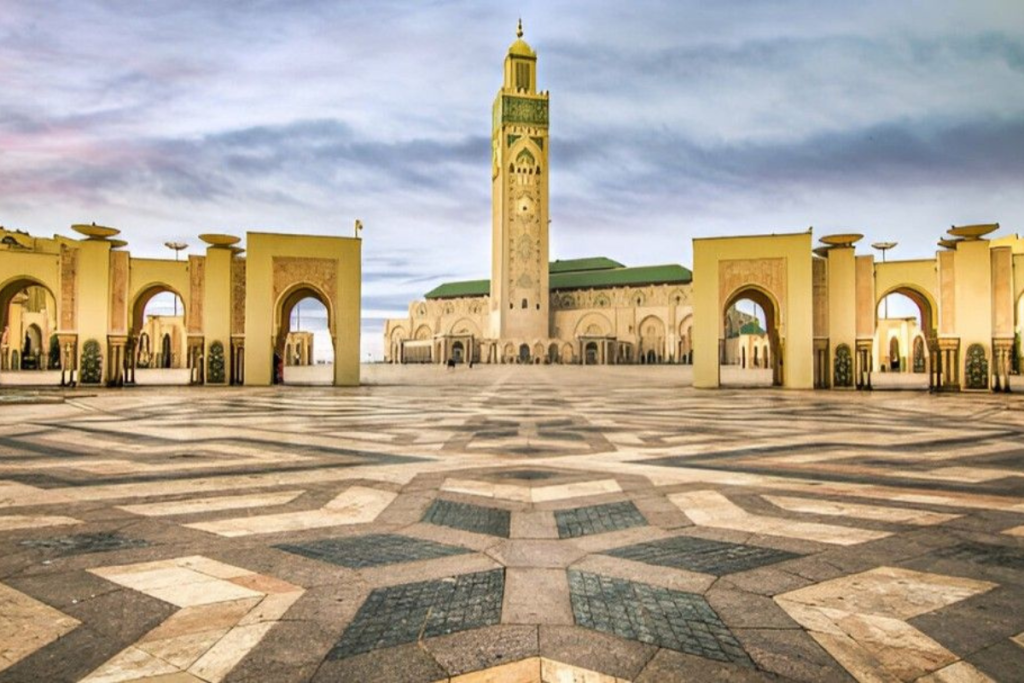
Mohammed V International Airport has multiple ways to reach downtown. The train is often the simplest for many travelers because it connects the airport to major stations in the city and avoids traffic stress. Buses and taxis are also available, and taxis can be convenient if you have heavy luggage or arrive late. If you do use a taxi, it helps to confirm price expectations clearly before departure so you avoid surprises.
If you want the smoothest start, consider planning your first hours in Casablanca through a reputable operator. A reliable Morocco Travel Agency can coordinate airport pickup, hotel check-in timing, and a first-day route. This is especially useful if Casablanca is only the opening chapter in a larger trip using Morocco Travel Packages or a tailored Morocco Travel Package.
Tours From Casablanca:
5 Day Morocco Sahara Tour from Casablanca
6 Days in Morocco Itinerary From Casablanca
7 Days Tour from Casablanca In Morocco
8 Days Tour From Casablanca
9 Days Trip From Casablanca
10 Days Morocco Tour from Casablanca
12 Day Morocco Tour From Casablanca
13 Days Around Morocco Tour from Casablanca
14 Days Grand Morocco Tour Itinerary From Casablanca
Day 1 in Casablanca: the essential landmarks (without rushing)
If you only have 48 hours, you want your first day to hit the city’s defining places: the landmark that everyone remembers, the neighborhood that feels most “classic,” and a coastline moment to reset after travel. Casablanca does this well because its highlights are emotionally different from each other, and the transitions help you feel the city’s range quickly.
The goal for day one is not to see everything. The goal is to see enough that Casablanca stops feeling like “just an airport city” and starts feeling like a real destination inside your Trips To Morocco plan.
Hassan II Mosque: the must-see Casablanca icon
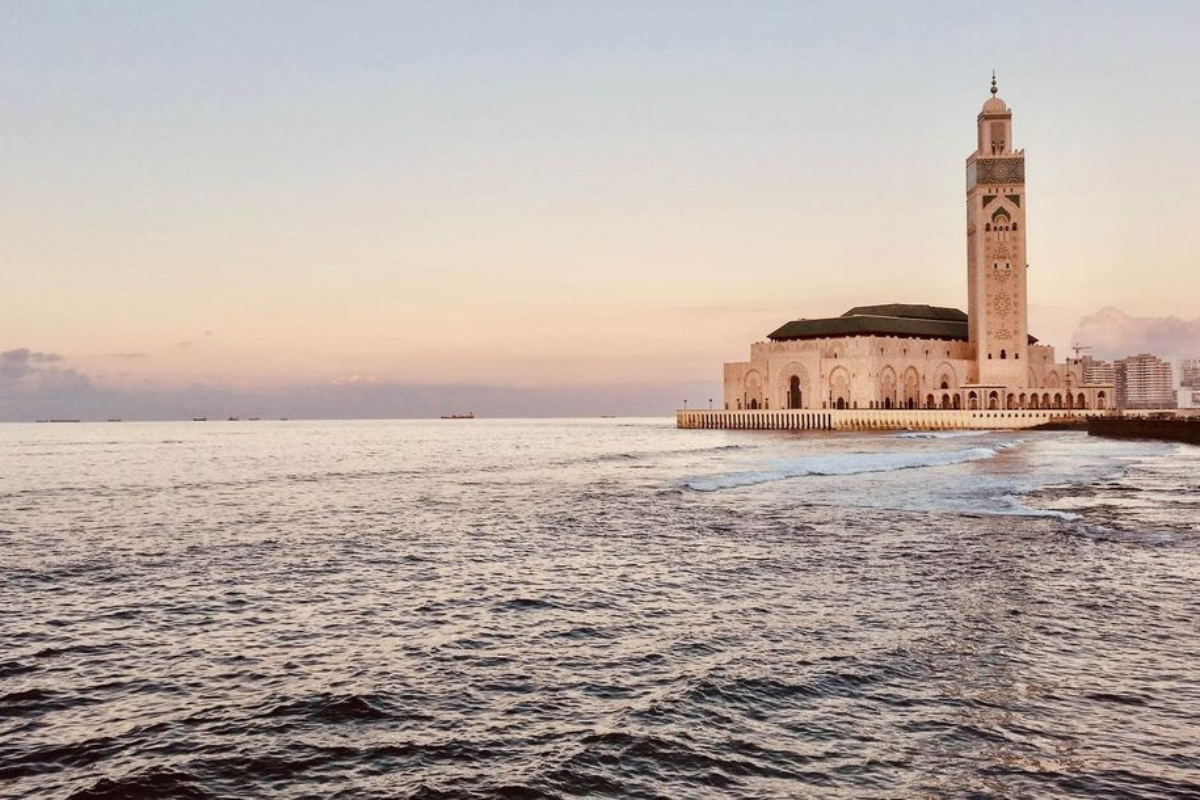
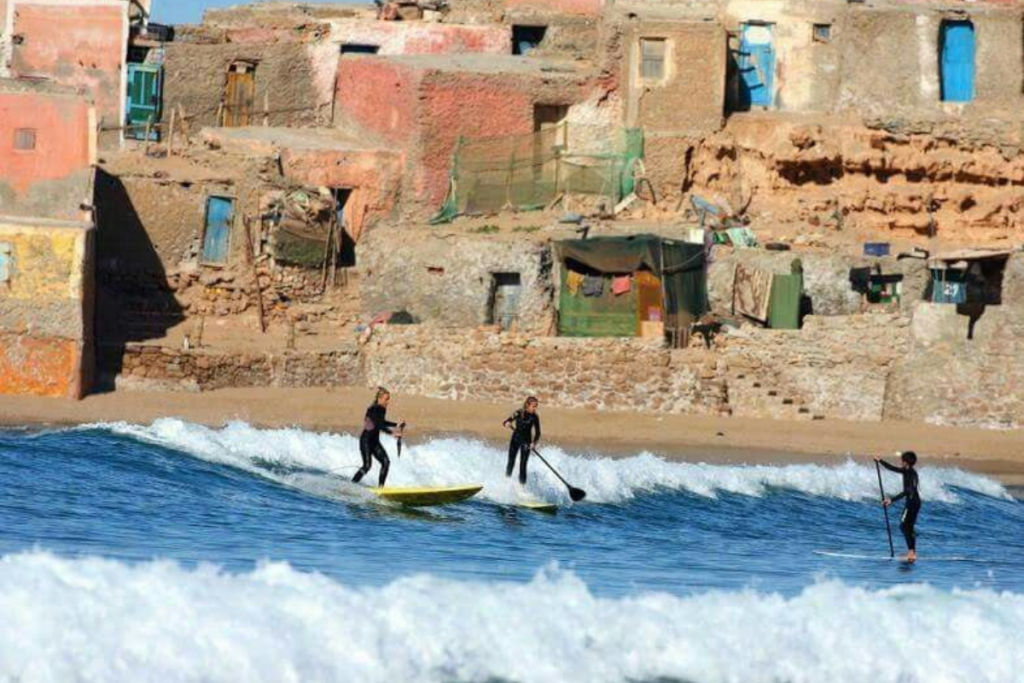
The Hassan II Mosque is the landmark most travelers associate with Casablanca, and it earns that status. Built on the Atlantic edge, it’s monumental, dramatic, and visually unforgettable. If you can visit the interior via the organized tour, it adds a deeper understanding of the craftsmanship and design. And if your timing doesn’t allow interior access, walking the perimeter and watching the light change over the ocean still creates a powerful experience.
If you want the visit to feel smooth—especially if you’re short on time—consider building this stop into Casablanca Tours. A guided plan reduces friction and helps you connect this landmark to other nearby highlights without wasting time on transit confusion.

The Old Medina: smaller than Fez, but more “everyday local”
Casablanca’s Old Medina is not as large as the famous medinas of the interior, but that’s part of why it can be enjoyable. It often feels more grounded and less performative. You’ll find stalls and small shops that serve daily needs, along with market-style browsing that is often less intense than in the most tourist-heavy zones elsewhere.
This is a great place to pick up small, practical souvenirs and to feel the city at street level. If your itinerary later includes Fes Desert Tours or deeper medina days, Casablanca’s Old Medina becomes a “warm-up” that helps you build confidence before the bigger maze.
Habous (New Medina): the calm, crafted Casablanca neighborhood
Habous—sometimes called the New Medina—is one of the best places in Casablanca for a relaxed walk with strong atmosphere. The streets feel more organized, the arcades feel more curated, and the shopping experience can be calmer. You’ll see crafts, leather goods, slippers, and traditional items without the same intensity that some travelers experience in busier souks.
If you want a Casablanca day that feels balanced, Habous is where you go when you want “traditional Morocco energy” with more breathing room. It also makes for great photography because the streets and doorways have a clean, architectural clarity.
Corniche and Ain Diab: Casablanca’s Atlantic mood
After medina lanes and architectural stops, Casablanca’s coastline resets your brain. The Corniche and Ain Diab areas are where locals go to stroll, meet friends, and enjoy sea air. The vibe shifts throughout the day—quiet in the morning, social and lively later. If you want one of the simplest pleasures in Casablanca, it’s walking here in late afternoon when the light softens.
For many travelers, this is the moment Casablanca “clicks.” You realize the city isn’t trying to be a museum. It’s a living, modern place where the ocean is part of daily life.
Food in Casablanca: why it might become your surprise highlight
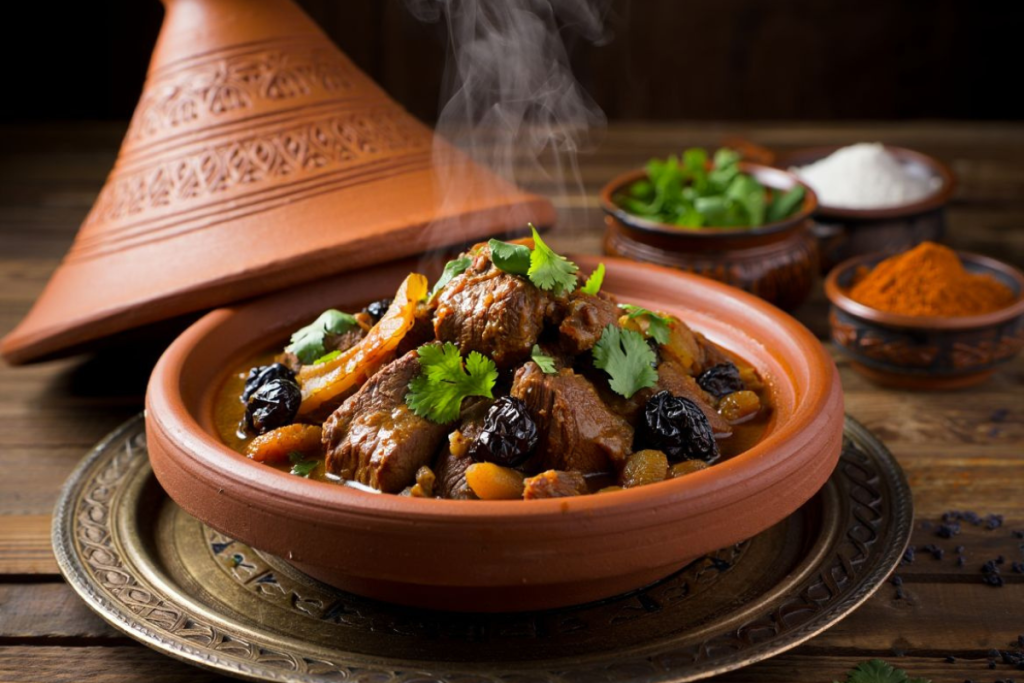
Casablanca can be an incredible food city. It’s not only about classic Moroccan dishes—though tagine and couscous absolutely show up—it’s also about the Atlantic influence, market seafood, and everyday eateries that serve locals as well as visitors. If you love lamb tagine, Casablanca can deliver some truly memorable versions of it, especially when you choose places that are busy and feel locally trusted.
One of the best approaches is to mix a market food experience with one “special dinner” experience. Markets give you authenticity and energy; a well-chosen restaurant gives you comfort and atmosphere. This mix tends to produce the best food memories without turning your day into a restaurant checklist.
Day 2 in Casablanca: parks, architecture, and the “slow city” side
Your second day is where you make Casablanca feel like more than a quick stop. Instead of chasing more landmarks, build a calmer rhythm: a park walk, an architectural highlight, and one last neighborhood exploration. Casablanca rewards slower observation, because so much of its charm is in its public life and urban texture rather than in a single “wow” attraction.
If you want a clean, low-stress version of this, you can plan day two through Morocco Tours From Casablanca, especially if you’re leaving the city later and don’t want to waste hours coordinating transport.
Arab League Park and Sacré-Coeur Cathedral
Arab League Park is one of the best places to breathe inside the city. The palm-lined paths and open space create a calm pause from traffic and markets. Pairing it with a nearby architectural stop like the Sacré-Coeur Cathedral (from the outside at minimum) creates a day that feels visually rich without being exhausting.
These stops also highlight Casablanca’s layered identity: modern Moroccan life, French-era planning, and local public culture all in the same short walk zone.
Museum of Moroccan Judaism and Casablanca’s cultural layers
If you want to understand Casablanca beyond the surface, the Museum of Moroccan Judaism can add meaningful context. It’s one of those stops that helps you see Morocco as it really is: layered, diverse, and shaped by many communities over time. This is especially valuable if you’re building a broader cultural route through Morocco.
For travelers who want deeper theme-based travel, Casablanca can also connect nicely into longer itineraries—especially if you later explore northern routes from Tangier or culture-heavy days through Tours From Fez.
Where to stay in Casablanca (simple strategy that works)
Where you stay depends on what you want Casablanca to do for you. If it’s a short visit, staying near central transport points can reduce friction and keep your day simple. If you want a more coastal mood, staying closer to the Corniche area can feel more relaxing. Casablanca has everything from business hotels to higher-end ocean-view stays.
If Casablanca is a gateway rather than your main destination, it’s worth prioritizing location and sleep quality over “the most beautiful hotel.” A comfortable base makes your 48-hour plan smoother, and it’s the easiest way to protect your energy before you move on to the next city.
How Casablanca connects to the rest of Morocco (desert, Marrakech, and beyond)
Casablanca is one of the best logistics hubs in the country, which makes it a powerful starting point for a longer route. From here, many travelers continue into medina culture through Fes, or into the high-energy heart of tourism through Marrakech. If your dream includes the Sahara, Casablanca can also connect into a desert plan through Morocco Desert Tours and longer routes like Sahara Desert Tours Morocco, including experiences such as Merzouga Desert Camp Morocco and Camel Rides In Merzouga.
If you want a premium desert experience, you can also design a comfort-forward plan through Luxury Morocco Tours and Luxury Private Tours, including upgrades like Private Desert Tour Morocco Luxury Camp. For travelers who want full personalization, building Custom Morocco Tours around your dates and priorities is often the most efficient way to maximize time and reduce stress.
Final thoughts: Casablanca is modern Morocco in real time
Casablanca is not a city you visit for one perfect postcard. You visit it to feel modern Morocco—its pace, its public life, its coastal mood, and its blend of heritage with ambition. If you give it 48 hours and focus on the right neighborhoods, you’ll likely leave surprised by how much you enjoyed it.
If you want Casablanca to feel effortless, consider structuring your time through Tours From Casablanca or using it as the starting chapter of a longer Morocco Tour built through Morocco Travel Packages and Morocco Tour Packages. Casablanca may not be the Morocco you imagined first, but it might be the Morocco that helps you understand the country best.
