

Morocco Travel Guide: How to Plan the Perfect Holiday (Tours, Tips, Itineraries)
Planning a trip to Morocco is one of the most exciting travel decisions you can make, because the country delivers colour, flavour, and contrast at every turn. From lively souks filled with spices and lanterns to blue-painted alleyways in mountain towns, Morocco feels cinematic in real life—busy, beautiful, and full of stories.
This updated Morocco travel guide is designed to help you plan a holiday that feels smooth, safe, and unforgettable. Along the way, you’ll learn when to go, where to visit, how to get around, what to eat, and—just as importantly—how to choose the right Morocco tours, private Morocco tours, or Morocco travel packages for your travel style. Ultimately, you’ll be able to build a clear itinerary, book with confidence, and arrive ready to enjoy Morocco from day one.
Why Morocco Should Be Your Next Holiday
Morocco is an easy “yes” for travellers who want variety without spending weeks crossing borders. In one Morocco trip, you can experience ancient medinas, contemporary cafés, mountain scenery, palm-filled valleys, and wide Atlantic beaches.
Additionally, Morocco suits many budgets and travel styles, which is why trips to Morocco remain popular for couples, solo travellers, families, and small groups. You can travel independently by train and bus, hire a driver, or book custom Morocco tours that combine transport, accommodation, and local insight. However, the key is to plan your route around travel time—especially if you want both the cities and the Sahara in one go.
Best Time to Visit Morocco (Weather, Crowds, Festivals)
In general, the best times for trips to Morocco tours are spring (March–May) and autumn (September–November). During these shoulder seasons, temperatures are more comfortable, which makes sightseeing easier in Marrakech and Fes—while the coast stays pleasant and breezy.
Meanwhile, summer (June–August) can be very hot inland, and winter (December–February) brings chilly nights and occasional snow in the Atlas. That said, winter can still work well for a Morocco travel package, provided you pack layers for desert and mountain evenings. If you travel during Ramadan or major holidays, you may notice changes in opening hours; nevertheless, you’ll also experience Morocco in a more local rhythm.
Entry Requirements, Visas, and Travel Insurance
Entry rules depend on nationality, so always confirm requirements before booking flights. Also, ensure your passport meets validity rules and keep digital backups of your passport, insurance, and bookings.
Just as importantly, travel insurance is strongly recommended—particularly if your itinerary includes hiking in the Atlas, quad biking, or Morocco desert tours. If you’re booking luxury private tours or higher-value Morocco tour packages, insurance is also useful for cancellations and baggage coverage.
How to Build the Perfect Morocco Itinerary
A great itinerary balances attractions with realistic transit time—because distances are often bigger than they look on a map. Most first-timers choose a loop that includes Marrakech, the Atlas, the Sahara (Merzouga or Zagora), and Fes, sometimes adding Chefchaouen or the coast.
However, if you try to do everything quickly, the trip can feel rushed. Instead, start by choosing non-negotiables (like a night in the desert or a cooking class), then reduce backtracking and include slower days. In many cases, travellers get the best results by mixing independent city time with a short guided segment such as trip to Morocco tours focused on the Sahara.
Marrakech: Souks, Palaces, and Rooftop Sunsets (Marrakech Travel Guide)
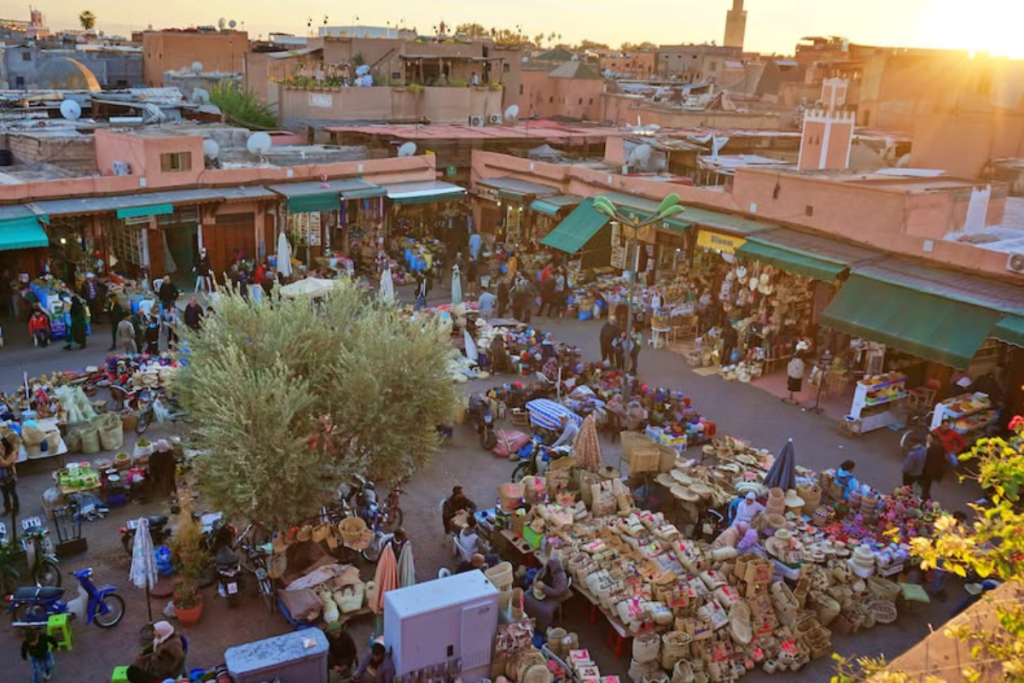
Marrakech is iconic: souks, rooftop cafés, and a buzz that makes the city feel alive at every hour. Highlights include Jemaa el-Fna, Bahia Palace, El Badi Palace, and the Koutoubia Mosque area (non-Muslims typically can’t enter mosques, but the exterior is impressive).
To make Marrakech smoother, go early for souks, then shift to gardens and terraces late in the day. Additionally, consider private tours Marrakech if you want deeper context, less hassle in the medina, and smarter shopping routes. Many travellers also add short trips from Marrakech into the mountains or desert for contrast.
Fes: Medieval Medina and Artisan Traditions (Fes Travel Guide)
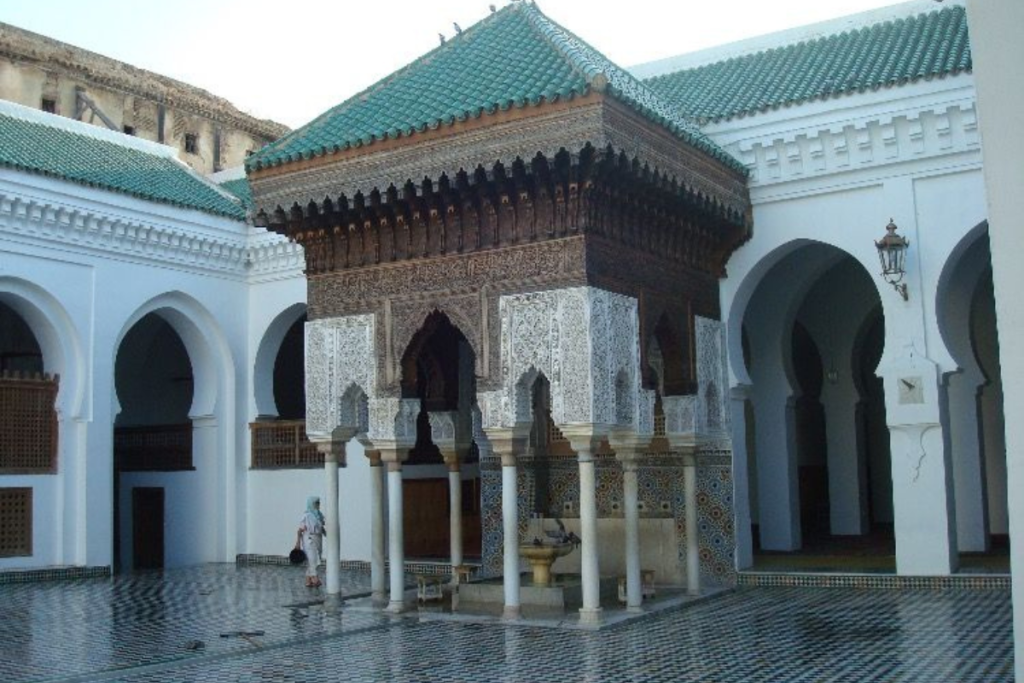
Fes is Morocco’s spiritual and intellectual heart, with a medina that feels like a living museum. As you explore, you’ll find historic madrasas, artisan workshops, and districts such as the tanneries.
Because navigation is complex, a local guide is especially helpful. In fact, guided walks often turn a confusing day into a highlight—particularly for travellers booking Morocco excursions or tours from Fez that combine culture with craft visits.
Chefchaouen: The Blue City Experience (Chefchaouen Travel Guide)
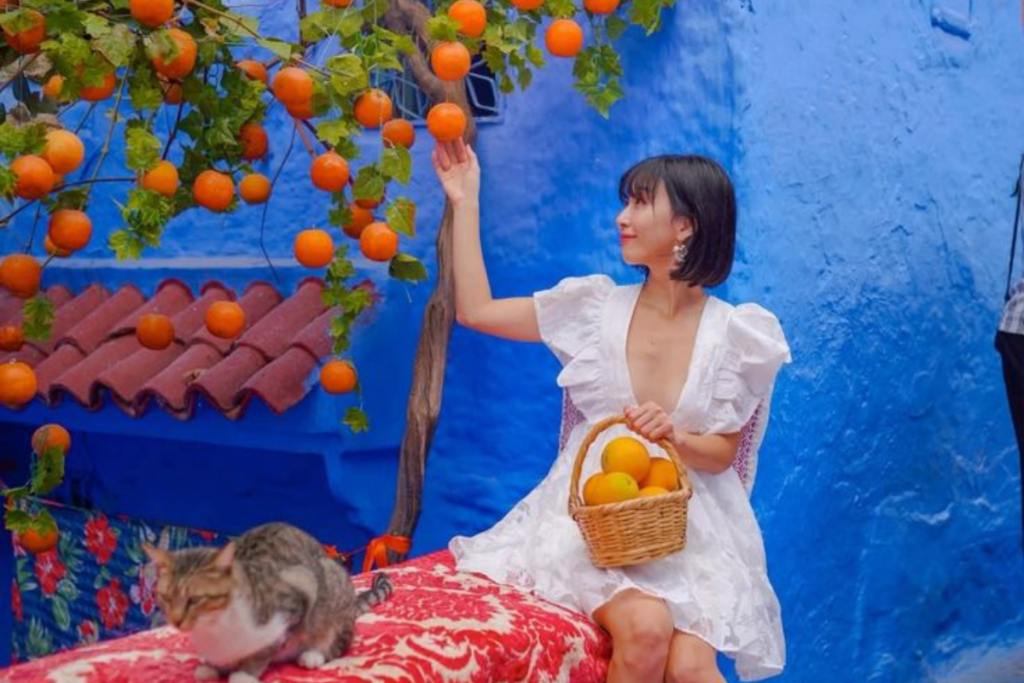
Chefchaouen is one of Morocco’s most photogenic towns. Although it’s famous online, it’s still worth it—especially if you stay overnight and walk the blue streets early or late when day-trippers leave.
Moreover, it’s a perfect “slow chapter” between bigger hubs like Tangier and Fes, and it’s ideal for travellers who want a calmer pace without sacrificing atmosphere.
The Sahara Desert: Dunes, Camel Treks, and Starry Nights
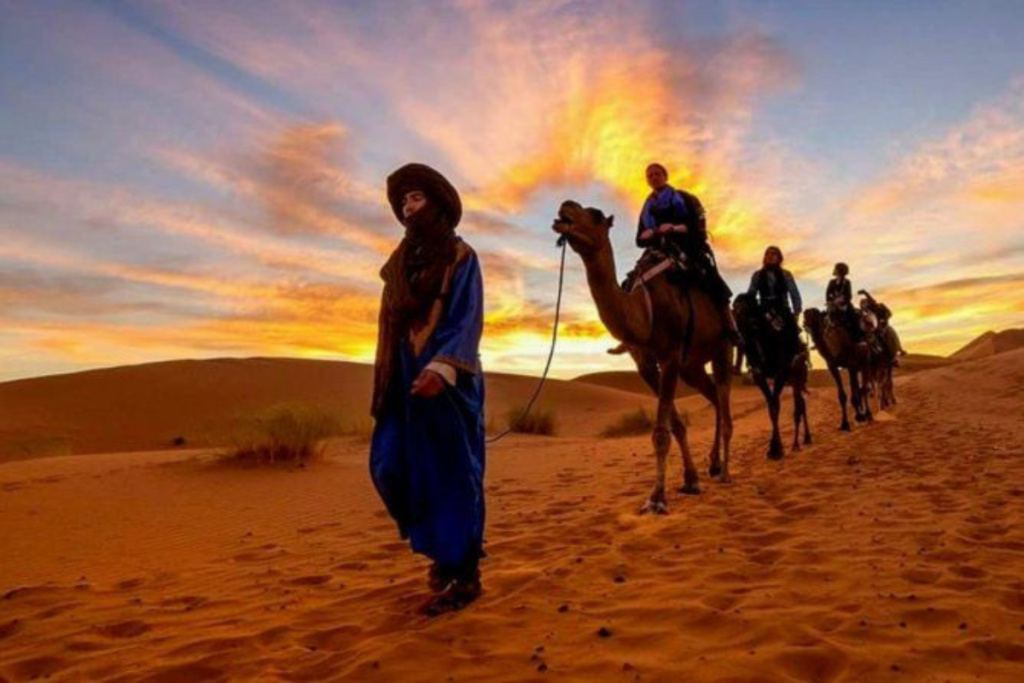
For many travellers, the desert is the emotional peak of their journey. Typically, desert tours Morocco run through either Merzouga (Erg Chebbi) or Zagora; Merzouga usually has the bigger dunes and the “classic Sahara” look. A standard plan includes a camel or 4×4 transfer, sunset in the dunes, dinner, and a night in camp.
That said, not all camps are equal. Therefore, when comparing Sahara desert tours Morocco or Morocco desert tours, ask exactly where the camp is, whether bathrooms are private, and how far into the dunes you’ll go. If a signature stay is your priority, look specifically for a Merzouga desert camp Morocco option that matches your comfort level—whether that’s simple and traditional or a high-end luxury Morocco tours camp.
Atlas Mountains: Berber Villages and Outdoor Adventures
The Atlas Mountains offer a dramatic contrast to the cities: valleys, terraced hillsides, walnut groves, and Amazigh villages. While day trips are popular, an overnight stay often feels more rewarding.
In addition, guided walks can be adapted to different fitness levels, so you don’t need to be a serious hiker. The Atlas also works beautifully as a break between Marrakech and the Sahara—especially for travellers combining Morocco activities with culture.
Atlantic Coast Escapes: Essaouira, Agadir, and Beyond
When you want to slow down, Morocco’s Atlantic coast delivers sea air, seafood, and golden light. Essaouira is the standout for most travellers due to its relaxed vibe, ramparts, galleries, and harbour scene.
Further south, Agadir is more resort-oriented, which can be convenient for families or travellers booking all-in-one Morocco travel packages. Either way, adding a couple of coast nights can prevent burnout and make the whole itinerary feel more like a holiday.
Rabat, Casablanca, and Northern Highlights (Casablanca Travel Guide + Tangier Travel Guide)
Rabat is calm, clean, and often underrated—great for a short stop between major cities. Casablanca is more modern and business-focused, but it’s home to the Hassan II Mosque, one of Morocco’s most impressive landmarks.
Meanwhile, Tangier adds a “gateway” energy with sea views, cafés, and history, and it pairs well with Chefchaouen and northern routes. If you’re short on time, you can choose either a north focus (Tangier–Chefchaouen–Fes) or a south focus (Marrakech–Atlas–Sahara) to keep the pace enjoyable.
Related SEO terms: Casablanca travel guide, Tangier travel guide, tours from Casablanca, tours from Tangier, tours from Casablanca Morocco, Tangier Morocco tours.
Getting Around: Trains, Buses, Drivers, and Flights
Morocco is relatively easy to travel independently. Trains connect major cities like Casablanca, Rabat, Tangier, Marrakech, and Fes. Buses cover many towns and are budget-friendly, although comfort varies.
However, for mountain and desert routes, many travellers prefer a driver or private Morocco tours, because it reduces stress and simplifies long travel days. In particular, a well-planned Morocco tour can include scenic stops you might otherwise miss.
Where to Stay: Riads, Kasbahs, Desert Camps, and Resorts
Riads are a classic choice—quiet courtyards, rooftop breakfasts, and a calm atmosphere behind busy lanes. Outside cities, stays become part of the experience: kasbah guesthouses in the south, mountain lodges, and desert camps.
If you’re booking Morocco travel packages or Morocco travel package deals, always confirm the exact accommodation quality—especially for camps—so expectations match reality.
Moroccan Food and Drink: What to Eat and How to Order
Moroccan food is unforgettable: tagines, couscous, harira, grilled meats, salads, pastries, and market snacks. Coastal towns bring excellent seafood, and cities now offer modern takes on classics.
To eat confidently, choose busy places with high turnover, ask what’s fresh, and keep basic allergy phrases ready if needed. Also, consider a food tour or cooking class—these are often some of the best-value Morocco excursions you can add.
Culture and Etiquette: How to Travel Respectfully
Morocco is welcoming, yet cultural awareness helps a lot. Modest clothing is appreciated, especially in smaller towns. Also, ask before photographing people, keep affection subtle in public, and be respectful around religious spaces and Ramadan routines.
Furthermore, responsible travel includes avoiding unethical animal attractions and choosing tours that support local communities.
Shopping in Souks: Bargaining, Quality Checks, and What to Buy
Shopping is most enjoyable when you treat bargaining as part of the culture, not a conflict. Be friendly, negotiate only when you’re interested, and walk away politely if needed.
Also, check quality: stitching on leather, materials in textiles, and chips on ceramics. Keep receipts for valuable purchases and ask about shipping if you’re buying large items like rugs.
Budgeting and Money: Costs, Cash, Cards, and Tipping
Morocco can be excellent value, but costs depend on comfort level and logistics. Independent travel is cheaper; private Morocco tours, luxury private tours, and high-end Morocco tour packages cost more but can feel much easier.
Cash is still important in medinas and smaller towns, so keep small notes for taxis and tips. When meters aren’t used, agree on the price before the ride.
Safety, Health, and Common Travel Mistakes to Avoid
Morocco is generally safe with normal precautions. Watch valuables in crowded medinas, be cautious of pushy “guides,” and step into a café if you need a reset. Health-wise, hydrate, use sunscreen, and start gently with street food if you have a sensitive stomach.
Most importantly, avoid overpacking your schedule—because Morocco is best enjoyed with breathing space.
Choosing Morocco Tours: What to Look For Before You Book
The right tour can transform a holiday; the wrong one can feel rushed. Therefore, look for:
- Realistic driving times and transparent inclusions
- Clear accommodation details (especially in the desert)
- Strong recent reviews and responsible operations
- Sensible group sizes, or choose private Morocco tours for flexibility
For desert bookings, ask: camp location, transfer type (camel vs 4×4), bathroom setup, and bad-weather alternatives. Many travellers find the best balance by doing independent city days, then adding a 2–4 day guided desert segment such as a Marrakech to Fes desert tour.
Sample Morocco Itineraries (7, 10, and 14 Days)
7 Days (Keep It Focused)
- Option A (South): Marrakech + Atlas + short desert extension
- Option B (North): Tangier + Chefchaouen + Fes
This is the ideal length for travellers who want a strong experience without constant transit.
10 Days (Classic Loop, More Comfortable)
Marrakech → Atlas → Sahara (Merzouga) → Fes (+ optional Chefchaouen if routing works).
This timeframe is excellent for combining independent travel with Morocco tours from Marrakech or Fes desert tours.
14 Days (Best for Balance + Coast)
Add Essaouira/Atlantic coast rest days, Rabat/Tangier stops, or extra desert nights. This is also the best option if you want Morocco travel packages that include both culture and downtime.
Morocco Travel FAQs (Quick Answers)
- Is Morocco good for first-timers? Yes—especially with smart routing and a slower pace.
- Do I need a tour? Sometimes. City guiding in Fes and a desert segment often add real value.
- What languages are spoken? Moroccan Arabic, Amazigh, French; English is common in tourist areas.
- What should I wear? Breathable and modest is usually most comfortable and respectful.
Final Planning Checklist (So Your Trip Feels Easy)
- Confirm entry rules + passport validity
- Buy travel insurance that covers your activities
- Book key stays early (riads, desert camps, popular hotels)
- Reserve high-demand tickets (e.g., Jardin Majorelle)
- Plan transfers, keep arrival cash, and download offline maps
- Pack layers for cool nights (desert + Atlas)
With the right pacing—and the right mix of independent time plus guided Morocco tours—your trip to Morocco can feel effortless, rich, and genuinely unforgettable.
